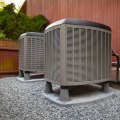
As the winter months approach, many homeowners may wonder about the practicality and efficiency of using their air conditioner during this colder season. While it might seem counterintuitive to rely on a cooling system when temperatures drop, understanding how air conditioners function in winter can reveal surprising benefits. Modern HVAC systems are designed with advanced technology that allows them to operate effectively even in lower temperatures, making them a versatile option for year-round climate control.When the temperature outside begins to fall, the primary concern for many is whether their air conditioning unit can handle the chill without incurring damage or inefficiency. The good news is that most contemporary air conditioners are equipped with features that enable them to function optimally in winter conditions.
For instance, many units utilize a heat pump mechanism, which not only cools but also heats your home by extracting warmth from the outside air—even when it’s cold. This dual functionality can be particularly advantageous for homeowners looking to maximize their energy savings.Moreover, using your air conditioner in winter can help maintain indoor air quality and comfort levels. During colder months, homes often become sealed tightly to conserve heat, which can lead to stale air and increased humidity levels. Running your air conditioning system periodically can help circulate air and reduce moisture buildup, preventing issues such as mold growth and musty odors.
Understanding these aspects of air conditioner functionality in winter not only prepares you for effective HVAC operation but also sets the stage for exploring the numerous benefits of utilizing your system during this time.
Is It Safe to Use an Air Conditioner in Winter?
When considering the use of an air conditioner during the winter months, many homeowners express concerns about safety and efficiency. Understanding whether it is safe to operate your air conditioning unit in colder weather is crucial for both your comfort and the longevity of your system.Is It Safe to Operate Your Air Conditioner in Winter?
Generally, it is safe to use an air conditioner in winter, but there are several factors to consider. Most modern air conditioning units are designed to handle a range of temperatures, but operating them in extreme cold can lead to potential issues.
- Temperature Thresholds: Most manufacturers recommend that air conditioners should not be operated when outdoor temperatures drop below 60°F (15°C). Running the unit in colder conditions can cause the compressor to freeze, leading to costly repairs.
- Frost and Ice Buildup: When temperatures fall, moisture in the air can condense on the coils of your air conditioner.
If this moisture freezes, it can create ice buildup that obstructs airflow and damages the unit.
- Energy Efficiency: Operating an air conditioner in winter may not only be unsafe but also inefficient. The system may struggle to maintain desired indoor temperatures, leading to increased energy consumption and higher utility bills.
Mitigating Risks
If you decide to use your air conditioner during winter, there are steps you can take to mitigate risks:
- Regular Maintenance: Ensure your HVAC system is well-maintained. Schedule regular inspections and cleanings to keep components functioning optimally.
- Use a Thermostat: A programmable thermostat can help regulate indoor temperatures efficiently, preventing the system from running unnecessarily when outdoor conditions are too cold.
- Consider a Heat Pump: If you live in an area with mild winters, a heat pump can be a more efficient alternative. Heat pumps can provide both heating and cooling, making them versatile for year-round use.
By taking appropriate precautions and understanding your system's limitations, you can safely enjoy the benefits of climate control even in colder weather.
Optimal Temperature Ranges for Air Conditioner Use
When considering the use of an air conditioner during the winter months, understanding the optimal temperature ranges for operation is crucial. Air conditioners are designed to function efficiently within specific temperature parameters, and operating them outside these ranges can lead to decreased performance and potential damage.Generally, most air conditioning units can operate effectively in temperatures as low as 60 degrees Fahrenheit. However, it is essential to note that while some units may function at lower temperatures, their efficiency and effectiveness can diminish significantly. Here are some key points to consider:- Minimum Operating Temperature: The lowest outdoor temperature for safe air conditioner operation typically hovers around 50 degrees Fahrenheit.
Below this threshold, the unit may struggle to maintain optimal performance.
- Risk of Damage: Running an air conditioner when temperatures drop below 50 degrees can lead to issues such as compressor failure or ice formation on the coils, which can cause long-term damage.
- Heat Pump Considerations: If your air conditioning system includes a heat pump, it may be designed to operate in colder conditions. However, even heat pumps have limits, often around 32 degrees Fahrenheit for efficient heating.
- Monitor Outdoor Temperatures: Keep an eye on local weather forecasts to avoid using your air conditioner when temperatures are too low.
- Regular Maintenance: Schedule routine maintenance checks to ensure your unit is in good working condition and capable of handling varying temperatures.
- Use Thermostats Wisely: Set your thermostat to a comfortable level that aligns with outdoor temperatures. This helps prevent unnecessary strain on your system.
Benefits of Using Your Air Conditioner in Winter
Using your air conditioner during the winter months may seem counterintuitive, but it can actually provide several benefits that contribute to both energy efficiency and cost savings. Here are some key advantages to consider:- Energy Efficiency: Modern air conditioning systems are designed to operate efficiently even in cooler temperatures.
By utilizing your air conditioner in winter, you can maintain a comfortable indoor climate without relying solely on heating systems, which can be less efficient. This dual approach allows for better temperature regulation and can lead to lower energy consumption.
- Cost Savings: Operating your air conditioner in winter can help reduce your overall energy bills. When temperatures drop, heating systems often work harder to maintain warmth, leading to increased energy costs. By using your air conditioner for cooling or dehumidifying, you can alleviate some of the strain on your heating system, ultimately saving money on utility bills.
- Humidity Control: Winter air can often be dry, leading to discomfort and potential health issues.
Air conditioners not only cool but also dehumidify the air. By running your AC during the winter, you can effectively manage indoor humidity levels, creating a more comfortable living environment.
- Improved Air Quality: Many air conditioning units come equipped with filters that help remove dust, allergens, and other pollutants from the air. Using your AC in winter can enhance indoor air quality by continuously circulating and filtering the air, which is especially beneficial for those with allergies or respiratory issues.
- Preventative Maintenance: Regularly using your air conditioning system throughout the year helps keep it in good working condition. This consistent use can prevent issues from arising when you need it most during the summer months.
Additionally, it allows for early detection of any potential problems that may require attention.
How Air Conditioners Can Help with Humidity Control
Managing indoor humidity levels is essential for maintaining a comfortable and healthy living environment, especially during the winter months. While many people associate air conditioners primarily with cooling, they also play a significant role in humidity control. Understanding how your air conditioner can assist in this area can lead to improved comfort and health.During winter, the air tends to be drier, which can lead to various issues such as dry skin, respiratory problems, and static electricity.However, when indoor heating systems are used, they can inadvertently increase humidity levels due to the moisture released from cooking, bathing, and other daily activities. This is where an air conditioner can be beneficial.
How Air Conditioners Manage Humidity
Air conditioners work by removing moisture from the air as they cool it. This process is known as dehumidification. When you run your air conditioner in winter, it can help maintain optimal humidity levels indoors by:
- Condensing Moisture: As warm air passes over the cold evaporator coils of the air conditioner, moisture condenses and is drained away.
This reduces the overall humidity in your home.
- Maintaining Comfort: By controlling humidity levels, air conditioners help prevent the discomfort associated with high humidity, such as clamminess and musty odors.
- Improving Air Quality: Lower humidity levels can inhibit the growth of mold and dust mites, which thrive in moist environments. This leads to better indoor air quality and a healthier living space.
Benefits of Using Air Conditioning for Humidity Control
The benefits of managing humidity with your air conditioner extend beyond mere comfort:
- Health Benefits: Proper humidity levels can reduce the risk of respiratory issues and allergies triggered by mold and dust mites.
- Preservation of Home Furnishings: High humidity can damage wooden furniture and flooring. By controlling moisture levels, you help preserve your home’s interior.
- Energy Efficiency: A well-maintained air conditioning system that effectively manages humidity can lead to lower energy bills since it reduces the workload on heating systems.
Cost-Effective Air Conditioner Installation During Off-Season
Installing an air conditioner during the off-season can be a strategic move for homeowners looking to maximize their savings.While many people wait until the peak summer months to install or replace their AC units, opting for an off-season installation can yield significant financial benefits.
Cost Savings on Equipment
One of the primary advantages of off-season air conditioner installation is the potential for lower prices on both the unit and installation services. During the winter months, demand for air conditioning systems is typically at its lowest. This decreased demand often leads to discounts from manufacturers and retailers eager to clear out inventory. Homeowners can take advantage of these sales to purchase high-quality units at a fraction of the regular price.
Reduced Labor Costs
In addition to savings on equipment, labor costs for installation can also be lower during the off-season.
HVAC contractors often experience a lull in business during the colder months, which means they may offer competitive rates to attract customers. By scheduling your installation when demand is low, you not only save money but also ensure that you receive more personalized service from your contractor.
Better Availability of Technicians
Another benefit of off-season installation is the increased availability of skilled technicians. During peak seasons, HVAC professionals are often booked solid, leading to longer wait times for service. By choosing to install your air conditioner in the winter, you can schedule your installation at a time that is convenient for you, ensuring that your system is up and running well before the heat of summer arrives.
Enhanced Planning and Preparation
Off-season installations also allow homeowners ample time to plan and prepare for their new system.
With fewer immediate demands on their time, homeowners can conduct thorough research on different models, compare energy efficiency ratings, and select a unit that best fits their needs. This careful consideration can lead to better long-term savings on energy bills.
Conclusion
In summary, opting for an off-season air conditioner installation not only provides immediate financial benefits but also sets homeowners up for long-term success with their HVAC systems. By taking advantage of lower prices, reduced labor costs, and better technician availability, you can ensure that your home remains comfortable year-round while maximizing your savings.
Frequently Asked Questions About Winter Air Conditioning Use
When it comes to using an air conditioner during the winter months, many homeowners have questions and concerns. Below are some of the most frequently asked questions regarding winter air conditioning use, along with detailed answers to help clarify any misconceptions.Is it safe to run my air conditioner in winter?
Yes, it is generally safe to operate your air conditioner in winter, provided that the outdoor temperature does not drop below the manufacturer's recommended threshold.Most modern air conditioning units are designed to handle a range of temperatures, but running them in extremely cold conditions can lead to inefficiencies and potential damage.
What is the lowest temperature at which I can use my air conditioner?
The lowest temperature for operating an air conditioner varies by model, but most units should not be used when the outdoor temperature falls below 60°F (15°C). Operating your AC below this temperature can cause the unit to freeze up, leading to costly repairs.Can I use my air conditioner for heating?
Some air conditioning systems, particularly heat pumps, are designed to provide both cooling and heating. If your system has a heat pump feature, you can effectively use it for heating during the winter months. However, traditional air conditioners are not designed for heating and should not be relied upon for warmth.Will using my air conditioner in winter save me money?
Using your air conditioner in winter can lead to savings on energy bills if you are utilizing a heat pump system.Heat pumps are known for their energy efficiency and can provide cost-effective heating compared to traditional electric or gas heating systems. Additionally, installing an energy-efficient air conditioning unit during the off-season can result in lower installation costs.
What maintenance should I perform on my AC unit during winter?
Regular maintenance is crucial for ensuring your air conditioner's longevity and efficiency. During winter, consider the following maintenance tips:- Clean or replace filters: Dirty filters can restrict airflow and reduce efficiency.
- Inspect insulation: Ensure that all insulation around ducts and pipes is intact to prevent heat loss.
- Check for leaks: Look for any refrigerant leaks or other issues that could affect performance.
- Schedule professional maintenance: A qualified HVAC technician can perform a thorough inspection and tune-up of your system.
Conclusion: Embracing Year-Round Comfort and Savings
In conclusion, the advantages of utilizing your air conditioner during the winter months are both practical and financially beneficial. By understanding how to effectively operate your air conditioning system in colder weather, you can enhance your home’s comfort while also maximizing energy efficiency.Throughout this article, we have explored several key points that highlight the importance of air conditioner installation and its role in year-round climate control.Here are some of the most significant takeaways:
- Energy Efficiency: Using your air conditioner in winter can help maintain a consistent indoor temperature, reducing the need for additional heating sources. This can lead to lower energy bills and a smaller carbon footprint.
- Improved Air Quality: Air conditioners not only cool but also filter the air, removing allergens and pollutants. Operating your unit during winter can help keep indoor air quality high, especially in homes that are sealed tightly against the cold.
- Cost Savings: Installing an air conditioning system during the off-season often results in lower prices for both the unit and installation services. Additionally, using your air conditioner in winter can prevent wear and tear on heating systems, potentially extending their lifespan.
- Versatility: Modern HVAC systems are designed to be versatile.
Many units now come with heat pump capabilities, allowing them to efficiently provide both heating and cooling as needed throughout the year.