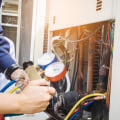
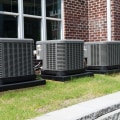
When it comes to the efficiency and effectiveness of your air conditioning system, AC coilsAC coils play a pivotal role. These essential components, often overlooked by homeowners, are responsible for the critical process of heat exchange that keeps your living space cool and comfortable. Understanding the function and importance of AC coils is vital, especially when considering air conditioner installation or maintenance. Without properly functioning coils, even the most advanced air conditioning units can struggle to perform optimally.AC coils, which include both evaporator and condenser coils, are designed to absorb heat from the indoor air and release it outside.
This process not only cools your home but also helps maintain humidity levels, contributing to a more pleasant indoor environment. The efficiency of these coils directly impacts your energy consumption; dirty or damaged coils can lead to increased energy bills and reduced cooling capacity. Therefore, recognizing their significance is crucial for any homeowner looking to enhance their HVAC system's performance.Moreover, the value of AC coils extends beyond mere functionality. They are integral to the longevity of your air conditioning system.
Regular maintenance and timely replacement of these components can prevent costly repairs down the line and ensure that your system operates at peak efficiency. As we delve deeper into this topic, we will explore how factors such as age, condition, and maintenance practices influence the value of AC coils, as well as provide insights into best practices for keeping them in top shape.
What Are AC Coils?
AC coils are integral components of an air conditioning system, playing a vital role in the cooling process. They are primarily responsible for transferring heat, allowing your home to maintain a comfortable temperature. Understanding the different types of AC coils and their functions is essential for homeowners considering air conditioner installation or replacement.Types of AC Coils
There are two main types of AC coils: evaporator coils and condenser coils.Each type serves a distinct purpose within the air conditioning system.
- Evaporator Coils: Located inside the home, evaporator coils absorb heat from the indoor air. As warm air passes over these coils, the refrigerant inside them evaporates, absorbing heat and cooling the air that is then circulated back into your living space. This process is crucial for maintaining a comfortable indoor environment.
- Condenser Coils: Found outside the home, condenser coils release the heat absorbed by the refrigerant. After the refrigerant has absorbed heat from the indoor air and turned into a gas, it travels to the condenser coils where it is compressed and cooled back into a liquid state.
This cycle is essential for the continuous operation of your air conditioning system.
Function of AC Coils
The primary function of AC coils is to facilitate the heat exchange process that keeps your home cool. Here’s how they work together:- Heat Absorption: The evaporator coil absorbs heat from indoor air, which cools down the air that circulates through your home.
- Heat Release: The condenser coil releases this absorbed heat outside, allowing the refrigerant to return to its liquid state and continue the cycle.
- Energy Efficiency: Well-maintained coils enhance energy efficiency by ensuring that your system operates effectively, reducing energy costs and prolonging the lifespan of your air conditioning unit.
How AC Coils Work
Understanding how AC coils operate is crucial for grasping their role in the overall efficiency of your air conditioning system. At the heart of this operation is the refrigerant cycle, a continuous process that enables your AC unit to cool your home effectively.The Refrigerant Cycle Explained
The refrigerant cycle consists of four main stages: evaporation, compression, condensation, and expansion.
Each stage plays a vital role in transferring heat from inside your home to the outside environment.
- Evaporation: The cycle begins in the evaporator coils, where the refrigerant, which is in a low-pressure liquid state, absorbs heat from the indoor air. As warm air passes over the coils, the refrigerant evaporates into a gas, effectively removing heat from the air and cooling it down.
- Compression: The gaseous refrigerant then travels to the compressor, located outside your home. Here, it is compressed into a high-pressure gas. This process increases its temperature and pressure, preparing it for the next stage.
- Condensation: The high-pressure gas moves into the condenser coils, where it releases the absorbed heat to the outside air.
As it cools down, the refrigerant condenses back into a liquid state.
- Expansion: Finally, the liquid refrigerant passes through an expansion valve or metering device. This process reduces its pressure and temperature before it re-enters the evaporator coils, and the cycle begins anew.
Heat Absorption and Transfer
The efficiency of AC coils lies in their ability to absorb and transfer heat effectively. The materials used in coil construction—typically copper or aluminum—are excellent conductors of heat. This property allows for rapid heat exchange between the refrigerant and the surrounding air.When properly maintained, AC coils can significantly enhance your system's cooling efficiency.
However, if they become dirty or damaged, their ability to absorb heat diminishes, leading to increased energy consumption and reduced cooling performance.In summary, understanding how AC coils work through the refrigerant cycle is essential for recognizing their value in maintaining a comfortable indoor environment. Regular maintenance ensures that these coils operate at peak efficiency, ultimately prolonging their lifespan and enhancing your air conditioning system's overall performance.
Factors Influencing the Value of AC Coils
Understanding the value of AC coils is crucial for homeowners, especially when considering air conditioner installation or replacement. Several factors can significantly influence this value, and being aware of them can help you make informed decisions.1.Age of the Coils
The age of your AC coils is one of the most significant factors affecting their value. Typically, AC coils have a lifespan ranging from 10 to 15 years.
As they age, their efficiency diminishes, leading to increased energy consumption and reduced cooling performance. If your coils are nearing the end of their lifespan, it may be time to consider replacement to avoid costly repairs and inefficiencies.
2.Condition and Maintenance
The physical condition of the coils plays a vital role in determining their value. Well-maintained coils that are regularly cleaned and inspected will generally retain a higher value than those that have been neglected. Accumulated dirt, debris, and corrosion can severely impact the efficiency of the coils, leading to potential system failures.
Regular maintenance not only prolongs the life of your coils but also helps maintain their operational efficiency.
3.Type of Refrigerant
The type of refrigerant used in your AC system can also affect the value of the coils. Many older systems utilize R-22 refrigerant, which is being phased out due to environmental concerns. As a result, R-22 has become increasingly expensive and harder to source. If your AC coils use this refrigerant, their value may decrease as replacement parts become scarcer.
Transitioning to a newer system that uses more environmentally friendly refrigerants can enhance both performance and value.
4.Brand Reputation
The brand and quality of the AC coils are essential considerations as well. Some manufacturers are known for producing high-quality, durable products that stand the test of time, while others may have a reputation for lower-quality components that fail prematurely. Investing in reputable brands can lead to better performance and longevity, ultimately increasing the value of your AC coils.In summary, when evaluating the value of AC coils, consider their age, condition, refrigerant type, and brand reputation. These factors not only influence the immediate cost but also impact long-term efficiency and reliability in your air conditioning system.
The Cost of Replacing AC Coils
When it comes to replacing AC coils, understanding the associated costs is crucial for homeowners.The price to replace AC coils can vary significantly based on several factors, including the type of air conditioning system, the size of the coils, and the complexity of the installation process.On average, homeowners can expect to pay between $500 and $2,000 for the replacement of AC coils. This range typically includes both parts and labor. However, several elements can influence this cost:
- Type of System: The cost may differ depending on whether you have a central air conditioning system or a ductless mini-split system. Central systems often require larger coils, which can increase the price.
- Size of Coils: Larger systems with higher cooling capacities will generally have larger coils, leading to higher replacement costs.
It's essential to ensure that the new coils match the specifications of your existing system.
- Labor Costs: Labor rates can vary by region and the experience level of the HVAC technician. In metropolitan areas, labor costs may be higher due to demand.
- Condition of Existing Components: If other parts of your air conditioning system are also aging or damaged, it may be more cost-effective to replace them simultaneously. This could lead to additional costs but may save you money in the long run.
- Refrigerant Type: The type of refrigerant used in your system can also impact costs. Systems using R-22 refrigerant may incur higher expenses due to its phased-out status and increased scarcity.
Therefore, budgeting for potential replacements is wise.If you suspect that your AC coils need replacement, it's advisable to consult with a licensed HVAC technician who can provide a detailed estimate based on your specific situation. They can assess not only the condition of your coils but also any other components that may require attention during installation.In conclusion, understanding the cost to replace AC coils is essential for effective budgeting and ensuring your air conditioning system operates efficiently. By being proactive about maintenance and replacement, you can avoid unexpected expenses and keep your home comfortable year-round.
Signs That Your AC Coils Need Replacement
Recognizing the signs that your AC coils need replacement is crucial for maintaining an efficient air conditioning system. Ignoring these indicators can lead to more severe issues, including complete system failure and costly repairs.Here are some key symptoms to watch for:
- Reduced Cooling Efficiency: If you notice that your air conditioner is struggling to cool your home as effectively as it once did, this could be a sign of failing AC coils. When coils become dirty or damaged, they cannot absorb heat properly, leading to inadequate cooling.
- Increased Energy Bills: A sudden spike in your energy bills without any changes in usage patterns may indicate that your AC system is working harder than it should. Inefficient coils can cause the system to run longer, consuming more energy and increasing costs.
- Visible Damage: Inspect your AC coils regularly for any visible signs of damage, such as corrosion, rust, or leaks. If you see any of these issues, it’s essential to address them promptly, as they can lead to further complications.
- Frost Build-Up: If you notice frost or ice forming on the coils, this is a clear indication that something is wrong.
Frost build-up can occur when the coils are not absorbing heat effectively due to low refrigerant levels or airflow issues.
- Unusual Noises: Strange sounds coming from your air conditioning unit, such as hissing or bubbling noises, may suggest refrigerant leaks or other mechanical issues related to the coils. These sounds should not be ignored and warrant immediate attention.
- Frequent Repairs: If you find yourself frequently calling for repairs related to your AC system, particularly concerning the coils, it may be more cost-effective in the long run to replace them rather than continue patching up problems.
The Role of Regular Maintenance in Preserving Coil Value
Regular maintenance of your AC coils is crucial for ensuring their longevity and efficiency.Just like any other component of your air conditioning system, coils require attention to function optimally. Neglecting their upkeep can lead to decreased performance, higher energy bills, and ultimately, costly repairs or replacements.
Why Regular Maintenance Matters
- Enhanced Efficiency: Clean coils can absorb heat more effectively, which means your air conditioning system doesn’t have to work as hard to cool your home. This efficiency translates into lower energy consumption and reduced utility bills.
- Extended Lifespan: Regular maintenance helps identify potential issues before they escalate. By addressing minor problems early on, you can extend the lifespan of your AC coils and the entire system.
- Improved Air Quality: Dirty coils can lead to poor indoor air quality as they may harbor mold and bacteria.
Keeping them clean ensures that the air circulating in your home is fresh and healthy.
Practical Tips for Maintaining AC Coils
- Regular Cleaning: At least once a year, clean the coils to remove dust, dirt, and debris. You can use a soft brush or a vacuum with a brush attachment. For deeper cleaning, consider using a specialized coil cleaner.
- Check for Damage: Inspect the coils regularly for signs of corrosion or leaks. If you notice any damage, contact a licensed HVAC technician immediately to prevent further issues.
- Monitor Refrigerant Levels: Ensure that the refrigerant levels are adequate.
Low refrigerant can indicate a leak or other issues that need professional attention.
- Schedule Professional Inspections: Have a qualified HVAC technician perform an annual inspection of your entire system, including the coils. They can provide thorough cleaning and check for any underlying problems.
Choosing the Right HVAC Technician for Installation and Maintenance
When it comes to air conditioner installation and maintenance, selecting the right HVAC technician is crucial for ensuring the efficiency and longevity of your system. A skilled technician not only guarantees proper installation but also provides ongoing maintenance that can prevent costly repairs down the line.Here are some essential tips to help you choose a qualified HVAC technician.
1.Check Qualifications and Certifications
Before hiring an HVAC technician, verify their qualifications. Look for certifications from recognized organizations such as the North American Technician Excellence (NATE) or the Air Conditioning Contractors of America (ACCA). These certifications indicate that the technician has undergone rigorous training and has demonstrated a high level of expertise in HVAC systems.2.Research Experience
Experience matters significantly in the HVAC industry. Technicians with several years of hands-on experience are more likely to handle unexpected issues effectively.Ask potential contractors about their experience with your specific type of air conditioning system, whether it’s a central unit, ductless mini-split, or another type.
3.Read Reviews and Testimonials
Online reviews can provide valuable insights into a technician's reliability and quality of work. Websites like Angie's List , Yelp , and Google Reviews can help you gauge customer satisfaction. Pay attention to recurring themes in reviews, such as punctuality, professionalism, and quality of service.4.Ask for References
A reputable HVAC contractor should be willing to provide references from previous clients. Contact these references to inquire about their experiences with the technician, focusing on aspects like installation quality, maintenance services, and overall satisfaction.5.Get Multiple Estimates
Don’t settle for the first estimate you receive.Obtain quotes from at least three different technicians to compare pricing and services offered. Be wary of estimates that seem unusually low; they may indicate subpar work or hidden costs.
6.Verify Insurance and Licensing
Ensure that the HVAC technician is licensed and insured. A valid license demonstrates compliance with local regulations, while insurance protects you from liability in case of accidents or damages during installation or maintenance.7.Evaluate Communication Skills
A good HVAC technician should be able to explain technical issues in layman's terms and answer any questions you may have about your system. Effective communication is vital for understanding your options and making informed decisions regarding your air conditioning needs.By following these guidelines, you can find a qualified HVAC technician who will ensure that your air conditioning system is installed correctly and maintained properly, ultimately enhancing its performance and lifespan.Conclusion: The Essential Role of AC Coils in Air Conditioning Systems
In summary, the significance of AC coils in air conditioning systems cannot be overstated.These components are not merely functional parts; they are vital to the overall efficiency and effectiveness of your cooling system. Understanding their role helps homeowners appreciate the importance of regular maintenance and timely replacements.Throughout this article, we have explored various aspects of AC coils, including:
- Their Functionality: AC coils are responsible for absorbing heat from indoor air and expelling it outside, which is crucial for maintaining a comfortable living environment.
- Factors Influencing Value: The age, condition, refrigerant type, and brand quality all play significant roles in determining the value of AC coils. Homeowners should be aware of these factors when considering maintenance or replacement.
- Replacement Costs: Understanding the financial implications of replacing AC coils can help homeowners budget effectively and make informed decisions about their HVAC systems.
- Signs for Replacement: Recognizing when to replace AC coils is essential for preventing further damage to your air conditioning system. Signs such as reduced cooling efficiency or visible damage should prompt immediate action.
- The Importance of Maintenance: Regular maintenance not only prolongs the lifespan of AC coils but also enhances their performance, ensuring that your air conditioning system operates at peak efficiency.
This proactive approach not only saves you money in the long run but also ensures a consistently comfortable home environment.In conclusion, investing time and resources into understanding and maintaining your AC coils is a wise decision for any homeowner. As you consider your air conditioning needs, remember that these components are integral to your system's performance. Regular inspections by a qualified HVAC technician can help identify potential issues early on, allowing you to address them before they escalate into costly repairs.