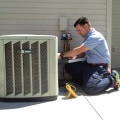
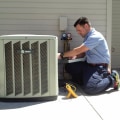
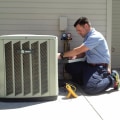
When it comes to ensuring a comfortable living environment, air conditioner installation plays a pivotal role. This process involves not just the physical setup of the unit but also a comprehensive understanding of your home’s cooling needs, the type of system best suited for those needs, and the optimal timing for installation. The significance of proper installation cannot be overstated; it directly impacts the efficiency, longevity, and performance of your air conditioning system. A well-installed unit can lead to lower energy bills and improved indoor air quality, making it an essential consideration for homeowners. Understanding air conditioner installation begins with recognizing the various components involved.
This includes selecting the right size unit based on the square footage of your home, ensuring proper ductwork if applicable, and considering additional features such as programmable thermostats or smart home integration. Each of these factors contributes to the overall effectiveness of your cooling system. Moreover, the timing of your purchase and installation can significantly influence both cost and availability. For instance, purchasing during off-peak seasons often results in better deals and more flexible scheduling with HVAC professionals. The importance of air conditioner installation extends beyond mere convenience; it is a critical investment in your home’s comfort and energy efficiency.
By understanding when to buy and install your air conditioning system, you can avoid the pitfalls of last-minute purchases during peak demand periods, which often lead to inflated prices and limited options. As we delve deeper into this topic, we will explore not only the best times to buy an air conditioner but also how proper installation can enhance your overall experience with your cooling system.
Why Timing Matters in Air Conditioner Purchases
Understanding the best time to buy an air conditioner is essential for homeowners looking to make a smart investment. Timing can significantly influence not only the price you pay but also the availability of models and the quality of service you receive during installation.One of the primary reasons timing matters is due to seasonal demand fluctuations. Air conditioners are in high demand during the summer months when temperatures soar.As a result, prices tend to increase, and inventory can dwindle quickly. Retailers often raise prices to capitalize on this peak demand, making it less economical for consumers. Conversely, during the off-peak seasons—particularly in spring and fall—demand decreases, leading to lower prices and more options available for purchase.Additionally, manufacturers typically release new models in the spring. This influx of new products means that retailers are often eager to clear out older inventory, resulting in significant discounts on last year’s models.
By purchasing during this time, you can take advantage of these sales while still securing a reliable unit that meets your needs.Another factor to consider is the availability of professional installation services. HVAC technicians are generally less busy during the shoulder seasons, which means you are more likely to secure an appointment that fits your schedule. This can be particularly important if you need a quick installation before the heat sets in or if you want to avoid long wait times associated with peak season demands.Moreover, buying an air conditioner at the right time allows you to plan ahead. If you anticipate needing a new unit, purchasing it before the summer rush ensures that you won’t be left scrambling for a solution when temperatures rise.
This proactive approach not only saves money but also provides peace of mind knowing that your home will remain comfortable.In summary, understanding seasonal trends and market dynamics is crucial when considering an air conditioner purchase. By aligning your buying decision with these factors, you can maximize savings, ensure availability, and enjoy a smoother installation process.
The Best Seasons to Buy an Air Conditioner
When considering the best time to buy an air conditioner, two seasons stand out: spring and fall. Each of these periods offers unique advantages that can lead to significant savings and a smoother purchasing experience.Spring: The Prime Time for Air Conditioner Purchases
- New Models and Discounts: Spring is when manufacturers typically release their latest models. Retailers often discount older models to make room for new inventory, providing an excellent opportunity for savvy shoppers to find deals on reliable units.
- Less Competition: As temperatures begin to rise, demand for air conditioning units increases.
However, purchasing in early spring allows you to avoid the rush that occurs as summer approaches, ensuring you have more options and better prices.
- Installation Availability: HVAC professionals are generally less busy in the spring, which means you can schedule your air conditioner installation at a time that works best for you. This flexibility can lead to quicker service and potentially lower installation costs.
Fall: A Hidden Gem for Air Conditioner Deals
- End-of-Season Sales: As summer winds down, many retailers look to clear out their inventory. This often results in substantial discounts on air conditioning units, making fall an ideal time to purchase if you’re looking for a bargain.
- Preparation for Next Summer: Buying an air conditioner in the fall means you’ll be ready for the next hot season without the last-minute scramble. This proactive approach not only saves money but also ensures your home is comfortable when temperatures rise again.
- Less Urgency: With cooler weather setting in, there’s less pressure to buy immediately.
This allows you to take your time researching models and comparing prices without the stress of impending heat waves.
Summer Air Conditioning Deals: A Cautionary Note
While summer may seem like a good time to find deals on air conditioners due to high demand, it often leads to inflated prices and limited availability. Retailers capitalize on the urgency of consumers needing immediate relief from the heat, which can result in higher costs and fewer options. Therefore, it’s advisable to plan ahead and make your purchase during the more favorable seasons of spring or fall.In conclusion, whether you choose to buy your air conditioner in spring or fall, both seasons offer distinct advantages that can lead to cost savings and a more efficient purchasing process. By being strategic about your timing, you can ensure that you get the best value for your investment.
Spring: The Ideal Time for Air Conditioner Installation
Spring is widely regarded as the prime season for air conditioner installation, and for good reason.As temperatures begin to rise, homeowners start thinking about their cooling needs, but savvy shoppers know that this is also the time when manufacturers unveil their latest models. This annual cycle creates a unique opportunity for consumers to take advantage of significant savings.One of the most compelling reasons to consider purchasing an air conditioner in spring is the availability of discounts on older models. Retailers often need to clear out inventory to make room for new arrivals, leading to markdowns on last year’s units. These discounts can be substantial, allowing you to secure a high-quality air conditioning system at a fraction of the original price.
By shopping early in the season, you can capitalize on these deals before they disappear.Moreover, spring is typically a less hectic time for HVAC professionals. During peak summer months, demand for installation services skyrockets, resulting in longer wait times and potentially higher installation costs. By opting for a spring installation, you not only ensure that your new system is ready before the heat hits but also benefit from more flexible scheduling options with contractors who are eager for work during this quieter period.In addition to financial savings and convenience, early preparation can lead to enhanced comfort during the sweltering summer months. By installing your air conditioning system in spring, you can avoid the last-minute rush that often accompanies heatwaves.
This proactive approach means you’ll have peace of mind knowing your home will remain cool and comfortable when temperatures soar.Many HVAC companies also run spring promotions , offering additional incentives such as free consultations or bundled services. These promotions can further reduce your overall costs and provide added value when purchasing a new air conditioning unit. It’s worth researching local HVAC providers to see what special offers they may have during this season.In conclusion, spring stands out as the ideal time for air conditioner installation. With attractive discounts on older models, less competition for installation services, and various promotional offers from HVAC companies, it’s an opportune moment to invest in your home’s cooling system.
By planning ahead and making your purchase in spring, you can enjoy a comfortable summer without breaking the bank.
Fall: A Smart Choice for Air Conditioner Purchases
As summer fades and the crispness of fall sets in, many homeowners overlook the opportunity to purchase an air conditioner. However, this season can be one of the most advantageous times to invest in a new cooling system. With the heat of summer behind us, demand for air conditioning units significantly decreases, leading to fall air conditioning sales that can save you money.One of the primary benefits of buying an air conditioner in the fall is the potential for lower prices. Retailers often discount their inventory to make room for heating equipment as temperatures drop.This means you can find excellent deals on last season's models, which are still highly efficient and reliable. By taking advantage of these sales, you can secure a quality unit at a fraction of the price you might pay during peak summer months.In addition to cost savings, purchasing an air conditioner in the fall allows for more flexible scheduling when it comes to installation. HVAC professionals typically experience a lull in business during this time, meaning they are more available to accommodate your schedule. You won’t have to wait weeks for an installation appointment, which is often the case during the busy summer season when demand is at its highest.Moreover, installing your air conditioning system in the fall means you can be fully prepared for the next summer heatwave.
By getting ahead of the game, you ensure that your home will be cool and comfortable when temperatures rise again. This proactive approach not only enhances your comfort but also allows you to avoid the stress and urgency that often accompany last-minute purchases.Another advantage of off-season HVAC purchases is that many manufacturers offer promotions or rebates during fall. These incentives can further reduce your overall costs and make it easier to invest in a high-quality system that meets your needs.In summary, fall presents a unique opportunity for homeowners looking to buy an air conditioner. With lower prices, flexible installation schedules, and potential manufacturer incentives, it’s a smart choice that can lead to significant savings and peace of mind as you prepare for future warm weather.
Understanding BTUs and Their Role in Air Conditioner Selection
When it comes to selecting an air conditioning unit, understanding British Thermal Units (BTUs) is crucial.BTUs measure the amount of heat energy required to raise the temperature of one pound of water by one degree Fahrenheit. In the context of air conditioning, BTUs indicate the cooling capacity of a unit. The higher the BTU rating, the more powerful the air conditioner is in terms of cooling.Choosing the right BTU rating for your air conditioning system is essential for achieving optimal comfort and energy efficiency. If you select a unit with too few BTUs, it will struggle to cool your space effectively, leading to increased energy consumption and higher utility bills.
Conversely, an air conditioner with too many BTUs can cool a room too quickly without adequately removing humidity, resulting in a clammy atmosphere.
Factors Influencing BTU Requirements
Several factors influence the number of BTUs needed for your space:- Room Size: The most significant factor is the size of the room. A larger area requires a higher BTU rating to maintain a comfortable temperature.
- Ceiling Height: Rooms with higher ceilings may require additional BTUs since hot air rises and can create warmer conditions at higher elevations.
- Insulation: Well-insulated spaces retain cool air more effectively, potentially allowing for a lower BTU requirement.
- Sunlight Exposure: Rooms that receive direct sunlight throughout the day may need more cooling power compared to shaded areas.
- Occupancy: The number of people regularly occupying a space can also affect cooling needs, as each person generates heat.
The Impact of Market Demand on Pricing and Availability
Understanding the impact of market demand on the pricing and availability of air conditioners is crucial for consumers looking to make informed purchasing decisions.The HVAC market is highly influenced by seasonal trends, which can significantly affect both the cost of units and the ease of installation.During peak seasons, typically late spring and summer, demand for air conditioning units skyrockets. This surge in demand often leads to higher prices as retailers capitalize on the urgency of consumers seeking relief from the heat. In contrast, during off-peak seasons, such as fall and winter, demand diminishes, resulting in lower prices and more favorable purchasing conditions.
Seasonal Pricing Strategies
Retailers and manufacturers often implement seasonal pricing strategies to manage inventory and maximize profits. For instance:- Spring Discounts: As new models are introduced in spring, older models may be discounted to clear out inventory.
This is an excellent time for consumers to find deals on reliable units.
- Fall Promotions: As temperatures drop, many retailers offer promotions to encourage purchases before winter sets in. This can include discounts or bundled offers with installation services.
- End-of-Season Sales: At the end of summer, retailers often reduce prices on remaining stock to make room for new inventory. This can be a prime opportunity for savvy shoppers.
This means that if you plan ahead and buy your air conditioner when demand is low, you can enjoy a seamless installation experience.In summary, being aware of how market demand influences pricing and availability can empower consumers to make smarter buying decisions. By leveraging seasonal trends and timing their purchases accordingly, homeowners can secure better deals on air conditioners while ensuring timely installations.
Preparing for Installation: What You Need to Know
Preparing for the installation of your new air conditioner is crucial to ensure a smooth and efficient process. Understanding what to expect and how to prepare can make a significant difference in your overall experience.1.Assess Your Space
Before the installation team arrives, take some time to assess the area where the air conditioner will be installed. Ensure that there is adequate space around the unit for proper airflow and maintenance access.
Clear any obstacles, such as furniture or decorations, that might hinder the installation process.
2.Understand the Installation Process
Typically, air conditioner installation involves several key steps:
- Site Preparation: The installation team will prepare the site by ensuring that all necessary tools and materials are on hand.
- Unit Placement: The team will determine the best location for your air conditioning unit, considering factors like sunlight exposure and proximity to existing ductwork.
- Electrical Connections: Proper electrical connections are essential for safe operation. The technicians will ensure that all wiring meets local codes.
- Testing: Once installed, the unit will be tested to ensure it operates correctly and efficiently.
3.HVAC Installation Tips
To facilitate a successful installation, consider these tips:
- Schedule Wisely: Aim for a time when you can be home during the installation. This allows you to ask questions and understand how to operate your new system.
- Communicate with Your Installer: Discuss any specific concerns or requirements you have with your HVAC technician before they begin work.
- Review Your Warranty: Familiarize yourself with the warranty details of your new air conditioner. Knowing what is covered can save you from unexpected costs later on.
- Plan for Cleanup: Installation can be messy, so plan for cleanup afterward.
Ask your installer if they will handle debris removal or if you need to make arrangements.
Common FAQs About Air Conditioner Installation Timing
When considering the timing for air conditioner installation, many homeowners have questions that can significantly impact their purchasing decisions. Below are some of the most common FAQs regarding when to buy an air conditioning unit and the installation process.1.What is the best time of year to buy an air conditioner?
The ideal time to purchase an air conditioner is during the spring or fall. During these seasons, demand is lower, which often leads to better pricing and more options available. Retailers are also looking to clear out older models to make way for new inventory, resulting in potential discounts.2.Should I wait until summer to buy an air conditioner?
While it may seem logical to wait until summer when you need cooling, this can actually be counterproductive.Prices tend to spike during peak demand periods, and HVAC professionals are often booked solid, leading to longer wait times for installation. By purchasing in advance, you can avoid these issues.
3.How long does it take to install an air conditioning unit?
The installation time for an air conditioning unit can vary based on the type of system being installed. Generally, a central air conditioning system can take anywhere from 4 to 8 hours for a professional installation. However, if additional ductwork or modifications are needed, this could extend the timeline.4.Can I install an air conditioner myself?
While some homeowners may consider a DIY approach, it is highly recommended to hire a professional for air conditioner installation.Proper installation is crucial for efficiency and safety. A licensed HVAC technician will ensure that the unit is installed correctly and meets local building codes.
5.What factors should I consider when timing my purchase?
- Local Climate: Consider your local weather patterns and when you typically need cooling.
- Promotions: Keep an eye out for seasonal sales or manufacturer promotions that can save you money.
- Installation Availability: Check with local HVAC companies about their availability during different seasons.
Conclusion: Making Informed Decisions About Your Air Conditioner Purchase
In conclusion, understanding the best time to purchase an air conditioner is crucial for making a wise investment. Throughout this article, we have explored various factors that influence the timing of your purchase, emphasizing the significant advantages of buying during the off-peak seasons, particularly in spring and fall.One of the primary reasons to consider purchasing your air conditioning unit during these times is the potential for substantial savings. As manufacturers release new models, retailers often discount older units to clear inventory.This creates an opportunity for savvy consumers to acquire high-quality systems at reduced prices. Additionally, by avoiding the peak summer months when demand surges, you can sidestep inflated prices and limited availability.Moreover, purchasing an air conditioner during the off-season allows you to plan ahead. By anticipating your cooling needs before the sweltering heat arrives, you can ensure that your home remains comfortable without the stress of last-minute shopping or installation delays. This proactive approach not only enhances your comfort but also provides peace of mind.When considering air conditioner installation, it’s essential to factor in the availability of HVAC professionals.
During peak seasons, these experts are often overwhelmed with requests, leading to longer wait times for installation. By choosing to buy and install your system during less busy periods, you can secure timely service and potentially benefit from more personalized attention from your contractor.Ultimately, making an informed decision about your air conditioner purchase involves careful consideration of timing, budget, and personal needs. By leveraging the insights shared in this article, you can navigate the complexities of selecting and installing an air conditioning system that best suits your home and lifestyle.In summary, remember that timing is everything when it comes to air conditioner installation. By planning ahead and purchasing during off-peak seasons, you can save money, ensure timely installation, and enjoy a comfortable living environment all summer long.