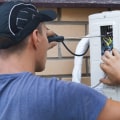
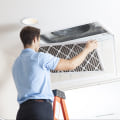
Understanding HVAC systems is essential for homeowners who want to maintain a comfortable living environment while also being mindful of energy efficiency and costs. HVAC, which stands for Heating, Ventilation, and Air Conditioning, encompasses a range of technologies designed to regulate indoor climate. These systems are composed of several key components, including the furnace or heat pump, air conditioner, ductwork, and thermostat. Each part plays a vital role in ensuring that your home remains at a comfortable temperature throughout the year.Typically, the lifespan of an HVAC system can vary significantly based on several factors such as usage, maintenance, and the quality of the installation.
On average, air conditioning units last between 10 to 15 years, while heating systems may have a lifespan of 15 to 20 years. However, these figures can fluctuate depending on how well the system is maintained and whether it has been subjected to extreme conditions. Regular maintenance, such as changing filters and scheduling annual inspections, can extend the life of your HVAC system considerably.Recognizing when to replace your HVAC system is crucial for avoiding unexpected breakdowns and costly repairs. Many homeowners wait until their system fails completely before considering a replacement, but this can lead to discomfort during extreme weather conditions and potentially higher costs in emergency repairs.
Instead, being proactive about replacement can save you money in the long run and ensure that your home remains comfortable year-round. Understanding the typical lifespans of HVAC components and recognizing the signs that indicate it’s time for a replacement will empower you to make informed decisions about your home’s heating and cooling needs.
Signs That Indicate It's Time to Replace Your HVAC System
Recognizing the signs that indicate it’s time to replace your HVAC system is crucial for maintaining a comfortable home environment. Homeowners should be vigilant about the performance of their heating and cooling systems, as certain indicators can signal that a replacement is necessary.- Age of the System: One of the most significant factors to consider is the age of your HVAC system. Most systems have a lifespan of 15 to 20 years.
If your unit is approaching or has surpassed this age, it may be time to consider a replacement, even if it seems to be functioning adequately.
- Increased Energy Bills: If you notice a sudden spike in your energy bills without any changes in usage, this could indicate that your HVAC system is working harder than it should. An inefficient system can lead to higher energy costs, making replacement a more economical choice in the long run.
- Frequent Repairs: If you find yourself calling for repairs more often than usual, it may be a sign that your HVAC system is nearing the end of its life. Frequent breakdowns not only disrupt your comfort but can also add up in repair costs, making replacement a more viable option.
- Uneven Temperatures: Are some rooms in your home significantly warmer or cooler than others? This inconsistency can indicate that your HVAC system is struggling to distribute air evenly throughout your home, which may warrant a replacement.
- Noisy Operation: Unusual noises such as banging, clanking, or hissing can signal mechanical issues within your HVAC system. While some sounds may be minor, persistent noise problems could indicate that components are failing and may require a full system replacement.
- Humidity Issues: An effective HVAC system should regulate humidity levels in your home.
If you notice excessive humidity or dryness, it could mean that your system is not functioning properly and may need to be replaced.
- Frequent Cycling: If your HVAC system turns on and off frequently, this could indicate an issue with its efficiency. Constant cycling can lead to wear and tear on the unit, suggesting that it might be time for a replacement.
The Best Seasons for Air Conditioner Installation
When considering air conditioner installation, timing can significantly impact both the cost and efficiency of your new system. Understanding the best seasons for HVAC replacement is crucial for homeowners looking to maximize their investment.Spring and Fall: The Ideal Seasons
The spring and fall months are often regarded as the prime times for air conditioner installation.
During these seasons, demand for HVAC services tends to decrease, allowing homeowners to take advantage of lower prices and better availability of contractors. Here’s why:
- Lower Demand: With milder temperatures, fewer homeowners are in a rush to install or replace their systems, leading to less competition for HVAC services.
- Promotions and Discounts: Many HVAC companies offer seasonal promotions during the off-peak months. This can include discounts on installation costs, rebates on energy-efficient models, or bundled deals that combine heating and cooling system replacements.
- Flexible Scheduling: With fewer emergency calls during these months, HVAC technicians have more availability, allowing for quicker installations and more convenient scheduling for homeowners.
Summer and Winter: The Busy Seasons
Conversely, summer and winter are peak seasons for HVAC services. During these times, demand skyrockets as homeowners rush to ensure their systems are operational.
This can lead to:
- Higher Prices: Due to increased demand, prices for both equipment and labor can rise significantly. Homeowners may find themselves paying a premium for urgent installations or repairs.
- Longer Wait Times: With many customers seeking immediate service, wait times for installations can extend considerably, leaving you without a functioning system during extreme weather conditions.
- Limited Options: The best models may be out of stock or backordered due to high demand, limiting your choices when it comes to selecting an energy-efficient unit.
Conclusion
In summary, the best time for air conditioner installation is during the spring or fall when you can benefit from lower prices, better availability of contractors, and promotional offers. By planning your HVAC replacement during these off-peak seasons, you not only save money but also ensure a smoother installation process. If you’re considering replacing your system, now is the time to start researching options and contacting local HVAC professionals.
Cost Considerations for Replacing Your HVAC System
When considering the replacement of your HVAC system, understanding the costs associated with air conditioner installation is crucial for effective budgeting.The total expense can vary significantly based on several factors, including the type of system you choose, the complexity of the installation, and any additional features you may want to include.
1.Initial Costs
- Unit Price: The cost of the air conditioning unit itself can range from $2,500 to $7,500 or more, depending on the brand, model, and efficiency rating. High-efficiency models may have a higher upfront cost but can lead to significant savings on energy bills over time.
- Installation Fees: Professional installation typically adds another $1,000 to $3,000 to your total costs. This fee can vary based on your location and the complexity of the installation process. For instance, if ductwork needs to be installed or modified, expect higher labor costs.
- Additional Components: If your system requires new ductwork, thermostats, or other components, these will also contribute to your overall expenses.
Ductwork installation can range from $1,000 to $5,000 depending on the size and layout of your home.
2.Long-Term Savings
While the initial investment in a new HVAC system may seem daunting, it’s essential to consider the long-term savings associated with energy-efficient models. Systems with higher SEER (Seasonal Energy Efficiency Ratio) ratings consume less energy and can reduce your utility bills significantly.
- Energy Savings: Upgrading to a high-efficiency air conditioner can save homeowners anywhere from 20% to 50% on their cooling costs compared to older models.
- Tax Incentives: Many states offer tax credits or rebates for installing energy-efficient systems. Research local programs that could help offset some of your initial costs.
- Increased Home Value: A new HVAC system can enhance your home’s marketability and value. Potential buyers often look for homes with modern, efficient heating and cooling systems.
3.Budgeting Tips
To effectively budget for your HVAC replacement:
- Get Multiple Quotes: Always obtain estimates from several contractors to ensure you’re getting a fair price.
- Plan for Unexpected Costs: Set aside an additional 10-20% of your budget for unforeseen expenses that may arise during installation.
- Consider Financing Options: Many HVAC companies offer financing plans that allow you to spread out payments over time, making it easier to manage costs.
Choosing the Right Air Conditioning System for Your Home
When it comes to air conditioner installation, selecting the right system for your home is crucial for ensuring comfort, efficiency, and cost-effectiveness.With various types of air conditioning systems available, understanding their features and benefits can help you make an informed decision.
Types of Air Conditioning Systems
- Central Air Conditioning: This system uses a network of ducts to distribute cool air throughout your home. It is ideal for larger homes and provides consistent cooling. Central air conditioning systems are typically more energy-efficient than window units.
- Window Air Conditioners: These units are designed to cool a single room and are installed in a window or through a wall. They are generally less expensive and easier to install but may not be suitable for larger spaces.
- Split Air Conditioners: Comprising an indoor and outdoor unit, split systems are versatile and can cool multiple rooms without the need for ductwork.
They are often quieter than window units and provide better energy efficiency.
- Portable Air Conditioners: These freestanding units can be moved from room to room, making them a flexible option for cooling specific areas. However, they may not be as efficient as other types and often require venting through a window.
- Ductless Mini-Split Systems: Similar to split systems, these units do not require ductwork and can be installed in various configurations. They offer excellent energy efficiency and zoning capabilities, allowing you to cool specific areas of your home as needed.
Selecting the Right System
When choosing an air conditioning system, consider the following factors:
- Home Size: The size of your home will significantly influence the type of system you need. Larger homes may benefit from central air conditioning, while smaller spaces might be adequately served by window or portable units.
- Energy Efficiency: Look for systems with high SEER (Seasonal Energy Efficiency Ratio) ratings.
Higher ratings indicate better energy efficiency, which can lead to lower utility bills over time.
- Budget: Determine your budget not only for the initial purchase but also for installation and ongoing maintenance costs. Some systems may have higher upfront costs but offer savings in the long run through energy efficiency.
- Climate Considerations: Your local climate can impact your choice. For instance, if you live in a region with high humidity, a system that effectively dehumidifies may be essential.
The Importance of Professional Installation
When it comes to air conditioner installation, the decision between a DIY approach and hiring a professional can significantly impact the performance and longevity of your HVAC system.While the allure of saving money by installing your own unit is tempting, the benefits of enlisting the expertise of a qualified HVAC professional far outweigh the potential savings.
Safety First
One of the primary reasons to consider professional installation is safety. HVAC systems involve complex electrical components and refrigerants that can be hazardous if mishandled. Professionals are trained to handle these systems safely, ensuring that all electrical connections are secure and that refrigerant levels are properly managed. This not only protects you from potential injuries but also minimizes the risk of damaging your new system.
Efficiency and Performance
Another critical aspect of hiring professionals is the efficiency of your HVAC system.
Proper installation is essential for optimal performance. A unit that is incorrectly installed can lead to a range of issues, including:
- Poor airflow
- Increased energy consumption
- Frequent breakdowns
- Shortened lifespan of the unit
Warranty Protection
Many manufacturers require professional installation for their warranties to remain valid. If you attempt a DIY installation and something goes wrong, you may void your warranty, leaving you responsible for any repair costs. By hiring a certified HVAC technician, you not only ensure proper installation but also protect your investment in case of future issues.
Time and Convenience
Installing an HVAC system can be time-consuming and complicated, especially for those without prior experience.
Professionals can complete the job more quickly and efficiently, allowing you to enjoy your new air conditioning system without the hassle of navigating installation challenges. This convenience is particularly valuable during peak seasons when you need your system operational as soon as possible.
Conclusion
In summary, while DIY projects can be rewarding, air conditioner installation is best left to professionals. The safety, efficiency, warranty protection, and convenience they provide make hiring an HVAC expert a wise investment for any homeowner looking to replace or install a new system.
Maintenance Tips for Your New HVAC System
Maintaining your new HVAC system is crucial for ensuring its longevity and optimal performance. By following a few simple maintenance tips, you can significantly extend the lifespan of your air conditioner and keep it running efficiently.- Regular Filter Changes: One of the most important maintenance tasks is to change or clean your air filters regularly.
Clogged filters restrict airflow, making your system work harder and less efficiently. Aim to check your filters monthly and replace them every 1-3 months, depending on usage and the type of filter.
- Schedule Annual Professional Inspections: Having a professional technician inspect your HVAC system at least once a year is essential. During this inspection, they will check for any potential issues, clean critical components, and ensure that everything is functioning correctly. This proactive approach can help catch problems before they escalate into costly repairs.
- Keep the Outdoor Unit Clear: If you have a central air conditioning system, ensure that the outdoor unit is free from debris such as leaves, dirt, and grass clippings.
A clear space of at least two feet around the unit allows for proper airflow and prevents overheating.
- Check the Thermostat Settings: Ensure that your thermostat is functioning correctly and set to an appropriate temperature. Consider upgrading to a smart thermostat that can optimize energy usage based on your schedule, which can lead to significant savings on your utility bills.
- Inspect Ductwork for Leaks: Leaky ducts can lead to significant energy loss and reduced efficiency. Regularly inspect your ductwork for any signs of wear or damage, and seal any leaks with duct tape or mastic sealant.
- Monitor System Performance: Pay attention to how your HVAC system operates. If you notice unusual noises, inconsistent temperatures, or increased energy bills, these could be signs that something is wrong.
Addressing these issues promptly can prevent more extensive damage down the line.
Frequently Asked Questions About Air Conditioner Installation
When considering air conditioner installation, many homeowners have questions that can significantly impact their decision-making process. Below are some of the most frequently asked questions regarding air conditioning installation and replacement.What are the signs that I need to replace my air conditioner?
Several indicators suggest it may be time to replace your air conditioning system:- Age of the Unit: If your air conditioner is over 15 years old, it may be less efficient and more prone to breakdowns.
- Frequent Repairs: If you find yourself calling for repairs multiple times a year, it may be more cost-effective to invest in a new system.
- Increased Energy Bills: A sudden spike in your energy bills can indicate that your unit is working harder than it should, often due to inefficiency.
- Inconsistent Temperatures: If some rooms in your home are too hot or too cold, it could mean your system is struggling to maintain a consistent temperature.
How long does the installation process take?
The duration of an air conditioner installation can vary based on several factors, including the type of system being installed and the complexity of the installation. Generally, most installations can be completed within a day.However, if ductwork needs to be modified or replaced, it may take longer. It's best to consult with your HVAC contractor for a more accurate timeline.
What should I look for in an HVAC contractor?
Selecting the right HVAC contractor is crucial for a successful installation. Here are some key factors to consider:- Licensing and Insurance: Ensure that the contractor is licensed and insured to protect yourself from liability.
- Experience: Look for contractors with extensive experience in air conditioner installation.
- Customer Reviews: Check online reviews and testimonials to gauge customer satisfaction.
- Estimates: Obtain multiple quotes to compare pricing and services offered.
Are there any rebates or incentives available for new installations?
Many utility companies and government programs offer rebates or tax incentives for installing energy-efficient air conditioning systems. It's advisable to check with local utility providers or consult your HVAC contractor about available programs that can help offset installation costs.By addressing these common questions, homeowners can feel more informed and confident when making decisions about their air conditioner installation.Always consult with professionals to ensure you receive tailored advice specific to your situation.
Conclusion: Making an Informed Decision on Your HVAC Replacement
In conclusion, making an informed decision about replacing your HVAC system is crucial for ensuring comfort and efficiency in your home. Throughout this article, we have explored various factors that influence the timing of air conditioner installation, emphasizing the importance of understanding market trends and seasonal fluctuations.One of the key takeaways is that the best time to replace your HVAC system is during the off-peak seasons, specifically in the fall or spring. During these times, HVAC companies are more likely to offer competitive pricing and promotions, allowing homeowners to save significantly on both equipment and installation costs. By planning your replacement during these months, you can avoid the rush and potential delays that often accompany peak seasons.Additionally, it is essential to consider the age and condition of your current system.If your HVAC unit is approaching the 15 to 20-year mark, it may be more cost-effective in the long run to invest in a new system rather than continue pouring money into repairs. Frequent breakdowns can not only lead to higher repair bills but also compromise your home’s comfort.Moreover, consulting with a qualified HVAC professional can provide invaluable insights tailored to your specific needs. They can help you assess your current system's performance, recommend suitable replacements, and guide you through available energy-efficient options that may qualify for rebates or tax incentives.Ultimately, timing your air conditioner installation wisely and seeking expert advice will empower you to make a decision that enhances your home’s comfort while optimizing energy efficiency. By taking these steps, you can ensure that your investment in a new HVAC system pays off for years to come.