Understanding the costs associated with HVAC services, particularly air conditioner installation, is crucial for homeowners looking to maintain a comfortable living environment. The HVAC system is a significant investment, and its installation can be one of the most substantial expenses a homeowner faces. With various factors influencing the overall cost, it’s essential to grasp what contributes to these expenses to make informed decisions.When considering HVAC costs , many homeowners may feel overwhelmed by the myriad of options and pricing structures available. From the type of air conditioning unit selected to the complexity of the installation process, each element plays a role in determining the final price.
Additionally, understanding the long-term benefits of investing in a quality HVAC system can help justify the initial outlay. A well-installed air conditioning unit not only enhances comfort but also improves energy efficiency, potentially leading to lower utility bills over time.Moreover, it’s important to recognize that HVAC pricing is not just about the upfront costs. Homeowners should also consider ongoing maintenance and potential repair expenses that may arise throughout the lifespan of their air conditioning system. By being proactive and informed about these costs, you can better prepare for future investments in your home’s comfort and efficiency.In this article, we will delve deeper into the various aspects of HVAC service costs, focusing on air conditioner installation.
We will explore what factors influence pricing, how to choose the right system for your needs, and tips for finding reliable HVAC professionals who can provide quality service at a fair price.
Factors Influencing HVAC Service Costs
Understanding the costs associated with HVAC services, particularly air conditioner installation, requires a closer look at several key factors that can significantly influence pricing. These factors range from the qualifications of the technicians to the complexity of the equipment being installed.Technician Qualifications
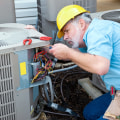
The expertise and experience of HVAC technicians play a crucial role in determining service costs. Technicians must undergo rigorous training and obtain necessary licenses and certifications to ensure they are equipped to handle various HVAC systems safely and effectively. This ongoing education is essential due to the rapid advancements in technology within the industry.As a result, hiring a highly qualified technician may come at a premium, but it often translates to better service and fewer long-term issues.
Equipment Complexity
The complexity of the air conditioning system itself is another significant factor affecting installation costs. Modern air conditioning units often incorporate advanced technology, such as variable-speed compressors and smart thermostats, which can increase both the initial purchase price and installation fees. Additionally, systems with multiple components, such as ductwork or zoning systems, require more labor and expertise to install correctly, further driving up costs.Market Conditions
Local market conditions also play a vital role in HVAC service pricing. In areas with high demand for HVAC services or limited competition among contractors, prices may be higher.Conversely, in regions with numerous service providers competing for business, homeowners may find more competitive pricing options. Seasonal fluctuations can also impact costs; for instance, during peak summer months when air conditioning needs are at their highest, service rates may increase due to demand.
Additional Considerations
- Warranty and Service Agreements: Many reputable HVAC companies offer warranties on their installations and service agreements that can affect overall costs. While these may add to the initial expense, they provide peace of mind and potential savings on future repairs.
- Energy Efficiency: Investing in energy-efficient models may have a higher upfront cost but can lead to significant savings on utility bills over time. Understanding the long-term benefits of energy efficiency can help justify initial installation expenses.
- Geographic Location: The cost of living in different regions can also influence HVAC service fees.
Urban areas typically have higher labor costs compared to rural locations.
The Importance of Licensing and Certification
When it comes to hiring an HVAC technician, understanding the significance of licensing and certification is crucial. These credentials are not merely formalities; they serve as a testament to a technician's expertise and commitment to safety and quality in their work.Licensing
is a legal requirement in many states, ensuring that technicians have met specific educational and training standards. This process typically involves:
- Completing a certain number of hours in classroom instruction.
- Gaining hands-on experience through apprenticeships or on-the-job training.
- Passing a comprehensive examination that tests their knowledge of HVAC systems, safety protocols, and local building codes.
Certification
, on the other hand, often comes from professional organizations and indicates that a technician has specialized skills or knowledge in specific areas of HVAC work. Certifications can include:
- NATE (North American Technician Excellence): Recognized as one of the leading certification programs, NATE-certified technicians have demonstrated their proficiency in various HVAC specialties.
- EPA Certification: Required for technicians who handle refrigerants, this certification ensures that they understand how to manage these substances safely and in compliance with environmental regulations.
- Manufacturer Certifications: Many HVAC manufacturers offer training programs that certify technicians to install and service their specific products, ensuring optimal performance and warranty compliance.
A licensed and certified technician not only guarantees adherence to safety standards but also enhances the efficiency and longevity of your HVAC system. Poor installation or maintenance by unqualified individuals can lead to:
- Increased energy costs due to inefficient operation.
- Frequent breakdowns requiring costly repairs.
- Voided warranties on equipment due to improper installation.
Understanding Air Conditioning Systems
Air conditioning systems are intricate assemblies designed to regulate indoor temperatures and humidity levels, ensuring comfort in residential and commercial spaces. Understanding the various components of these systems is crucial for grasping why their installation can be more costly compared to other HVAC systems.At the heart of an air conditioning system are several key components:- Compressor: Often referred to as the "heart" of the system, the compressor pumps refrigerant through the system, facilitating heat exchange.
Its efficiency and capacity significantly impact the overall performance of the air conditioning unit.
- Condenser Coil: Located outside, this coil releases heat absorbed from inside your home. The condenser coil's design and materials can affect both efficiency and durability.
- Evaporator Coil: Found indoors, this coil absorbs heat from the air inside your home, cooling it down before circulating it back into your living space.
- Expansion Valve: This component regulates the flow of refrigerant into the evaporator coil, ensuring that it operates efficiently and effectively.
- Ductwork: Essential for distributing cooled air throughout your home, ductwork must be properly sized and sealed to maximize efficiency.
- Thermostat: This device allows you to set and maintain your desired indoor temperature, playing a critical role in energy management.
Additionally, modern air conditioning units often incorporate advanced technology such as variable-speed motors and smart thermostats, which further complicate installation but enhance energy efficiency.When considering air conditioner installation, it's essential to recognize that these systems require specialized knowledge for proper setup. Technicians must understand not only how each component functions individually but also how they interact as a cohesive unit. This expertise is reflected in the installation costs, which may seem higher than those for simpler HVAC systems like furnaces or heat pumps.In summary, while the initial investment for an air conditioning system may be significant, understanding its components and their complexities can help homeowners appreciate the value of professional installation. Investing in quality installation ensures that your system operates efficiently, providing comfort for years to come.
Cost Breakdown of Air Conditioner Installation
When considering the cost of air conditioner installation, it’s essential to understand the various components that contribute to the overall expense.This breakdown will help homeowners budget effectively and avoid unexpected costs during the installation process.
1.Equipment Costs
- Air Conditioning Unit: The primary expense is the air conditioning unit itself. Prices can vary significantly based on the type, brand, and efficiency rating. For instance, a basic central air conditioning unit may start around $2,500, while high-efficiency models can exceed $5,000.
- Additional Components: Installation may require additional parts such as ductwork, refrigerant lines, and electrical connections. Ductwork installation can add anywhere from $1,000 to $3,000 depending on the complexity and size of your home.
2.Labor Costs
- Installation Labor: Labor costs typically range from $500 to $2,000 based on the complexity of the installation and local labor rates.
Experienced technicians may charge more, but their expertise can save you money in the long run by ensuring a proper installation.
- Permits and Inspections: Many areas require permits for HVAC installations. These can cost between $100 and $500 depending on local regulations. Additionally, an inspection fee may be necessary to ensure compliance with safety standards.
3.Additional Fees
- Disposal Fees: If you are replacing an old unit, there may be disposal fees for removing and recycling the old equipment. This can range from $50 to $150.
- Warranty Costs: Some companies offer extended warranties for an additional fee, which can provide peace of mind but should be factored into your overall budget.
By understanding these factors, homeowners can make informed decisions and ensure they are prepared for the financial commitment of a new air conditioning system.
Quality vs. Cost: What to Consider When Choosing an HVAC Company
When it comes to selecting an HVAC company, the decision often boils down to a balance between quality and cost. While it may be tempting to choose the lowest bidder, this approach can lead to significant long-term expenses and complications. Understanding the implications of your choice is crucial for ensuring that your HVAC system operates efficiently and reliably.Why Quality Matters
Investing in a reputable HVAC contractor can save you money in the long run.
High-quality service typically includes:
- Expertise: Experienced technicians possess the knowledge and skills necessary to diagnose issues accurately and implement effective solutions.
- Quality Parts: Reliable companies use high-grade components that enhance the longevity and efficiency of your HVAC system.
- Warranties: A trustworthy contractor will offer warranties on both parts and labor, providing peace of mind that you are covered in case of future issues.
- Poor Installation: Incorrect installation can lead to inefficiencies, higher energy bills, and premature system failure.
- Frequent Repairs: Low-quality parts may break down more often, leading to increased repair costs over time.
- Lack of Support: Inexperienced contractors may not provide adequate customer service or follow-up support, leaving you stranded when problems arise.
Evaluating HVAC Contractors
When searching for a reliable HVAC company, consider the following factors:
- Reviews and References: Look for customer testimonials and ask for references to gauge the contractor's reputation.
- Licensing and Insurance: Ensure that the company is licensed and insured to protect yourself from liability in case of accidents or damages.
- Experience: Choose a contractor with a proven track record in the industry. Experience often correlates with quality service.
- Transparent Pricing: A reputable company should provide clear estimates without hidden fees, allowing you to understand what you are paying for.
Planning for Air Conditioner Replacement: Timing and Budgeting Tips
When it comes to air conditioner replacement, timing and budgeting are crucial factors that can significantly impact your overall experience and costs.Proactive planning not only helps you avoid emergency situations but also allows you to make informed decisions that can save you money in the long run.
Understanding the Right Time for Replacement
One of the first steps in planning for an air conditioner replacement is recognizing when it’s time to make the switch. Here are some key indicators:
- Age of the Unit: Most air conditioning units have a lifespan of about 10 to 15 years. If your system is approaching this age, it may be time to consider a replacement.
- Frequent Repairs: If you find yourself calling for repairs more than once a year, it might be more cost-effective to invest in a new unit rather than continuing to patch up an old one.
- Increased Energy Bills: A sudden spike in your energy bills can indicate that your air conditioner is working harder than it should. Newer models are often more energy-efficient, which can lead to savings on your utility bills.
- Inconsistent Temperatures: If certain rooms in your home are consistently warmer or cooler than others, it may signal that your air conditioning system is failing to distribute air effectively.
Budgeting for Your New Air Conditioner
Once you've determined that it's time for a replacement, the next step is budgeting.
Here are some tips to help you plan financially:
- Research Costs: Get estimates from multiple HVAC contractors to understand the average cost of installation in your area. This will give you a baseline for budgeting.
- Consider Additional Expenses: Beyond the cost of the unit itself, factor in installation fees, potential ductwork modifications, and any necessary permits.
- Look for Rebates and Incentives: Many utility companies offer rebates for energy-efficient systems. Check with local providers to see what options are available.
- Create a Savings Plan: If you know your air conditioner is nearing the end of its life, start setting aside money each month specifically for this expense. This will help ease the financial burden when the time comes.
Avoiding Emergency Situations
By planning ahead and budgeting effectively, you can avoid the stress and higher costs associated with emergency replacements.
Waiting until your air conditioner fails completely can lead to rushed decisions and potentially higher prices due to increased demand during peak seasons.In conclusion, taking the time to assess your current air conditioning system and plan for its eventual replacement can save you both time and money. By understanding when to replace your unit and how to budget effectively, you can ensure a smoother transition and maintain comfort in your home without breaking the bank.
Common Myths About HVAC Costs Debunked
When it comes to understanding the costs associated with HVAC services, particularly air conditioner installation, there are numerous myths and misconceptions that can cloud judgment. By debunking these myths, homeowners can make more informed decisions regarding their HVAC needs.Myth 1: All HVAC Companies Charge the Same Rates
One common misconception is that all HVAC companies offer similar pricing for their services. In reality, costs can vary significantly based on factors such as location, company reputation, and the complexity of the installation.
It's essential to obtain multiple quotes and understand what each company includes in their pricing to ensure you are getting a fair deal.
Myth 2: Higher Price Equals Better Quality
While it’s tempting to assume that a higher price guarantees superior service or equipment, this is not always the case. Some companies may inflate their prices without providing additional value. It’s crucial to research and read reviews to find a reputable company that offers quality service at a reasonable price.
Myth 3: DIY Installation Saves Money
Many homeowners believe that installing an air conditioning unit themselves will save money. However, improper installation can lead to inefficiencies, increased energy costs, and potential damage to the unit.
Hiring a licensed professional ensures that the installation is done correctly, which can save money in the long run by avoiding costly repairs.
Myth 4: Maintenance Is an Unnecessary Expense
Some people think that regular maintenance for their HVAC system is an unnecessary expense. In truth, routine maintenance can prevent major issues and extend the lifespan of your system. Investing in regular check-ups can save you from unexpected breakdowns and costly repairs down the line.
Myth 5: All Air Conditioning Units Are the Same
Another misconception is that all air conditioning units function similarly and have the same price point. In reality, there are various types of air conditioning systems—such as central air, ductless mini-splits, and window units—each with different costs associated with installation and operation.
Understanding these differences can help you choose the best option for your home and budget.By addressing these common myths about HVAC costs, homeowners can better navigate their options when it comes to air conditioner installation. Making informed decisions not only helps in budgeting but also ensures a more efficient and effective HVAC system in your home.
FAQs About Air Conditioner Installation Costs
When considering air conditioner installation, many homeowners have questions regarding the costs involved. Here are some of the most frequently asked questions that can help clarify your understanding of what to expect.What factors influence the cost of air conditioner installation?
The cost of installing an air conditioning unit can vary significantly based on several factors:- Type of System: The choice between central air conditioning, ductless mini-splits, or window units can greatly affect the overall price. Central systems tend to be more expensive due to their complexity.
- Size of the Unit: The size of the air conditioner needed for your space is crucial.
A unit that is too small will struggle to cool your home, while one that is too large may lead to higher energy bills.
- Installation Complexity: If your home requires additional ductwork or electrical upgrades, this can increase installation costs.
- Labor Costs: Labor rates can vary by region and company. It's essential to get multiple quotes to ensure you're getting a fair price.
Are there any additional costs I should be aware of?
Yes, aside from the initial installation fee, consider these potential additional costs:- Permits: Some areas require permits for HVAC installations, which can add to your overall expenses.
- Maintenance Plans: Investing in a maintenance plan can help prolong the life of your system and prevent costly repairs down the line.
- Energy Efficiency Upgrades: If you opt for a high-efficiency model, you may incur higher upfront costs but save money on energy bills in the long run.
How can I save money on air conditioner installation?
To minimize costs while ensuring quality installation, consider these tips:- Off-Season Installation: Scheduling your installation during the off-peak season can lead to lower labor rates and better availability of technicians.
- Get Multiple Quotes: Always obtain at least three estimates from different contractors to compare prices and services offered.
- Look for Rebates: Many manufacturers and local governments offer rebates for energy-efficient systems, which can significantly reduce your overall cost.
Conclusion: Making Informed Decisions About Your HVAC Needs
In conclusion, understanding the costs associated with air conditioner installation and HVAC services is crucial for homeowners looking to maintain a comfortable living environment. Throughout this article, we have explored various factors that influence these costs, from the complexity of air conditioning systems to the qualifications required of HVAC technicians.One of the key takeaways is the importance of recognizing that quality comes at a price. When investing in an HVAC system, you are not just paying for the equipment itself but also for the expertise and reliability of the service provided.Choosing a reputable HVAC company that offers quality parts and comprehensive warranties can save you money in the long run by reducing the likelihood of future repairs.Moreover, planning ahead can significantly impact your overall expenses. By addressing potential issues before they escalate into emergencies, you can explore various options and financing plans that suit your budget. Regular maintenance, such as changing air filters and checking coolant levels, can also prevent costly breakdowns and extend the lifespan of your system.It’s essential to be aware of regional differences in pricing as well. Homeowners in remote areas may face higher rates due to limited competition among service providers.
Additionally, fluctuations in the market, such as rising costs for HVAC equipment, can affect installation prices. Staying informed about these trends will empower you to make better decisions.Ultimately, making informed choices about your HVAC needs involves thorough research and consideration of all factors at play. By understanding the intricacies of air conditioner installation and associated services, you can ensure that you are not only getting a fair price but also investing in a system that will keep your home comfortable for years to come.