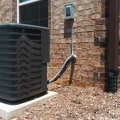
When winter arrives, many homeowners instinctively turn up the heat and forget about their air conditioning units. However, this common practice overlooks the potential benefits of running your air conditioner during the colder months. Understanding the role of air conditioners in winter can transform your approach to home comfort and energy efficiency. While it may seem counterintuitive, utilizing your AC in winter can enhance indoor air quality, prevent moisture-related issues, and even save you money on energy bills.One of the primary misconceptions surrounding air conditioner installation is that these systems are solely designed for cooling.
In reality, modern air conditioning units are equipped with features that allow them to function effectively year-round. By running your AC during winter, you can maintain a balanced indoor environment that combats the stale air often trapped in tightly sealed homes. This is particularly important as winter weather encourages us to keep windows closed, leading to a buildup of allergens and pollutants.Moreover, running your AC can help manage humidity levels within your home. Excess moisture can lead to mold growth and structural damage, especially in areas like basements and attics.
By circulating air and removing humidity, your air conditioner acts as a safeguard against these potential hazards. As we delve deeper into the benefits of using your AC in winter, it becomes clear that this practice is not just about comfort; it’s also about protecting your home and enhancing your overall well-being.
Debunking Common Myths About Winter AC Usage
When it comes to using an air conditioner during the winter months, several myths persist that can lead homeowners to avoid this practice. Understanding these misconceptions is crucial for making informed decisions about your HVAC system and energy usage.Myth 1: Running Your AC in Winter Will Skyrocket Energy Bills
One of the most common fears is that operating an air conditioner in winter will lead to exorbitant energy costs. However, this is largely unfounded.While it’s true that air conditioners consume electricity, the amount of energy used during the winter months is often minimal compared to heating systems. In fact, by running your AC to manage humidity levels, you may actually reduce your overall energy consumption. This is because a well-functioning AC unit can help maintain a comfortable indoor climate without relying heavily on electric heating.
Myth 2: Air Conditioners Are Only for Cooling
Another prevalent myth is that air conditioners are solely designed for cooling spaces. While their primary function is indeed to lower temperatures, modern air conditioning systems also play a vital role in air quality management.They filter out dust, allergens, and other pollutants from the air, which can be particularly beneficial during winter when homes are sealed tight against the cold. This filtration process helps maintain a healthier indoor environment.
Myth 3: Using AC in Winter Causes Damage
Some homeowners worry that running their AC during colder months could lead to damage or malfunction. However, this concern is largely exaggerated. Most modern air conditioning units are built to withstand a range of temperatures and conditions.Regular maintenance and proper usage can prevent potential issues. In fact, using your AC periodically can help keep its components in good working order, reducing the risk of rust or corrosion that can occur when a unit sits idle for too long.
Myth 4: It’s Better to Just Crank Up the Heat
Many believe that simply increasing the thermostat on their heating system is a more effective solution than running the AC. However, this approach can lead to higher energy bills and discomfort due to dry air. Air conditioners not only cool but also dehumidify the air, which can make your home feel more comfortable without excessive heating.By balancing both systems, you can achieve optimal comfort while managing costs.In conclusion, debunking these myths about running your air conditioner in winter reveals that it can be a practical choice for maintaining comfort and efficiency in your home. Understanding how your HVAC system works and its benefits during colder months empowers you to make better decisions for your household.
Key Benefits of Running Your AC During Winter Months
Running your air conditioner during the winter months may seem counterintuitive, but it offers several key benefits that can enhance your home environment and overall comfort. Here are some of the most significant advantages:Improved Air Quality
During winter, homes are often sealed tightly to conserve heat, which can lead to a buildup of indoor air pollutants. These pollutants can include dust, pet dander, and volatile organic compounds (VOCs) from household products.By operating your AC, you can:
- Circulate Air: Running your air conditioner helps to circulate the air throughout your home, preventing stagnation and ensuring that fresh air is continuously introduced.
- Filter Contaminants: Most modern air conditioning systems are equipped with filters that capture allergens and other harmful particles, improving the overall air quality in your living space.
Mold and Mildew Prevention
Winter often brings increased humidity levels, especially in areas like basements or bathrooms where moisture can accumulate. This excess moisture creates an ideal environment for mold and mildew growth. Operating your AC can help mitigate this risk by:- Dehumidifying the Air: Air conditioners are designed to remove humidity from the air. By running your unit during winter, you can effectively lower indoor humidity levels, making it less conducive for mold spores to thrive.
- Maintaining Ventilation: Regularly running your AC promotes better ventilation in your home, which is crucial for preventing dampness and ensuring that any moisture is adequately expelled.
Home Protection
Extreme cold temperatures can pose risks to various aspects of your home, particularly plumbing systems.Frozen pipes can lead to significant damage and costly repairs. By using your air conditioner in winter, you can:
- Regulate Indoor Temperature: Keeping a consistent temperature helps prevent drastic fluctuations that could lead to freezing pipes.
- Avoid Costly Repairs: By maintaining a stable environment within your home, you reduce the likelihood of experiencing issues related to freezing temperatures, ultimately saving you money on repairs.
Improving Indoor Air Quality with Your AC
Maintaining a healthy indoor environment is crucial, especially during the winter months when homes are often sealed tight to keep out the cold. While this practice is effective for conserving heat, it can also lead to a buildup of indoor air pollutants.Running your air conditioner during winter can significantly enhance indoor air quality by filtering out these harmful substances.One of the primary functions of an air conditioning system is its ability to circulate and purify the air within your home. Most modern AC units are equipped with high-efficiency particulate air (HEPA) filters or similar filtration systems that can capture a wide range of airborne contaminants, including:
- Dust and Dust Mites: These tiny particles can trigger allergies and respiratory issues.
- Pollen: Seasonal allergens can linger indoors, exacerbating allergy symptoms.
- Mold Spores: Running your AC helps reduce humidity levels, which in turn minimizes mold growth.
- Pet Dander: For pet owners, running the AC can help filter out dander that may cause allergic reactions.
- Volatile Organic Compounds (VOCs): These are emitted from various household products and can be harmful when inhaled.
- Respiratory Problems: Individuals with asthma or other respiratory conditions may find relief from symptoms when indoor air is cleaner.
- Allergies: Reducing allergens in the home can lead to fewer allergy attacks and improved comfort.
- Mental Clarity: Clean air has been associated with better cognitive function and mood stability.
By filtering out pollutants and allergens, you create a healthier living space that benefits everyone in your home.
Preventing Mold and Mildew Growth in Your Home
During the winter months, many homeowners focus on keeping their living spaces warm and cozy. However, this often leads to a significant increase in indoor humidity levels, which can create an ideal environment for mold and mildew growth. These unwanted fungi not only pose health risks but can also damage your home. Fortunately, running your air conditioner during the colder months can be an effective strategy for managing humidity and preventing these issues.Understanding Humidity and Its Effects
Humidity refers to the amount of moisture present in the air.
When indoor humidity levels rise above 60%, it creates a breeding ground for mold and mildew. These organisms thrive in damp environments, leading to potential respiratory problems, allergies, and other health concerns. Additionally, mold can damage walls, ceilings, and furniture, leading to costly repairs.
How Air Conditioners Help Control Humidity
Air conditioners are designed not only to cool the air but also to dehumidify it. When you run your AC unit during winter, it helps remove excess moisture from the indoor air.
Here’s how:
- Condensation Process: As warm air passes over the cold evaporator coils of the AC unit, moisture condenses and is collected in a drain pan. This process effectively reduces humidity levels in your home.
- Continuous Air Circulation: Running your AC promotes air circulation throughout your home. This circulation helps prevent stagnant air pockets where moisture can accumulate, further reducing the risk of mold growth.
- Temperature Regulation: Maintaining a consistent temperature with your AC can help prevent condensation on cold surfaces like windows and walls, which is often a precursor to mold growth.
Best Practices for Using Your AC in Winter
If you decide to run your air conditioner during winter to combat humidity, consider these best practices:
- Monitor Humidity Levels: Use a hygrometer to keep track of indoor humidity levels. Aim for a range between 30% and 50% for optimal comfort and mold prevention.
- Set Your Thermostat Wisely: Keeping your thermostat at a moderate temperature can help maintain consistent airflow and reduce humidity without overworking your AC unit.
- Regular Maintenance: Ensure that your air conditioning system is well-maintained.
Clean or replace filters regularly to maximize efficiency and effectiveness in humidity control.
Protecting Your Home from Cold Weather Damage
As winter approaches, homeowners often focus on heating systems to keep their living spaces warm and comfortable. However, one crucial aspect that is frequently overlooked is the potential for cold weather damage, particularly to plumbing systems. Running your air conditioner during the winter months can play a significant role in protecting your home from such issues.Preventing Pipe Freeze
One of the most common problems during winter is frozen pipes.
When temperatures drop, the water inside pipes can freeze, leading to blockages and, in severe cases, ruptures. This not only results in costly repairs but can also cause extensive water damage to your home. By running your AC, you help maintain a more stable indoor temperature, which can prevent the drastic temperature fluctuations that lead to freezing.Here are some effective strategies to prevent pipe freeze:
- Maintain a Consistent Temperature: Keeping your home at a moderate temperature (around 68-72 degrees Fahrenheit) helps ensure that pipes remain warm enough to prevent freezing.
- Insulate Pipes: Insulating exposed pipes in unheated areas of your home, such as basements and attics, can provide an extra layer of protection against the cold.
- Let Faucets Drip: Allowing faucets to drip slightly can relieve pressure in the plumbing system and help prevent freezing.
Home Protection Tips
In addition to preventing pipe freeze, there are several other home protection tips that can help safeguard your property during winter:
- Seal Drafts: Check windows and doors for drafts and seal any gaps with weather stripping or caulk. This will help maintain a consistent indoor temperature.
- Regular Maintenance: Schedule regular maintenance for both your heating and cooling systems.
A well-maintained system is more efficient and less likely to fail during extreme temperatures.
- Monitor Humidity Levels: Running your AC can help control humidity levels in your home. High humidity can lead to condensation on cold surfaces, increasing the risk of mold growth and structural damage.
Winter Home Maintenance
Incorporating air conditioning into your winter maintenance routine not only protects your plumbing but also enhances overall home comfort. Regularly running your AC unit helps keep it in good working condition, reducing the likelihood of unexpected breakdowns when you need it most. Additionally, it ensures that air filters are clean and functioning properly, which contributes to better air quality throughout the winter months.By taking proactive measures and utilizing your air conditioning system wisely during winter, you can effectively protect your home from cold weather damage while ensuring a comfortable living environment for you and your family.
Cost-Saving Benefits of Running Your AC in Winter
When considering the cost-saving benefits of running your air conditioner during the winter months, it’s essential to understand how this practice can lead to significant energy savings and a more efficient heating solution for your home.One of the primary reasons homeowners hesitate to run their AC in winter is the fear of increased energy bills.However, this concern is often unfounded. In fact, using your air conditioner can be a cost-effective heating solution that helps maintain a comfortable indoor environment without breaking the bank.
Energy Savings Through Humidity Control
Air conditioners are designed to remove humidity from the air, which can be particularly beneficial during winter when indoor air tends to become dry. By running your AC, you can effectively manage humidity levels, making your home feel warmer without needing to raise the thermostat significantly. This means you can keep your heating system at a lower setting, which directly translates to lower energy consumption and reduced utility bills.Prolonging the Lifespan of Your AC Unit
Another important aspect of running your AC in winter is its impact on the longevity of the unit itself.Just like any other appliance, air conditioners require regular use to function optimally. When an AC unit sits idle for extended periods, it can develop issues such as rust or mechanical failures due to lack of lubrication and movement. By operating your air conditioner periodically during the winter months, you help keep its components in good working order, potentially avoiding costly repairs or premature replacements.
Maximizing Efficiency with Smart Usage
To maximize the cost-saving benefits of running your AC in winter, consider implementing a few smart strategies:- Set a Moderate Temperature: Keeping your thermostat at a moderate level (around 68-72 degrees Fahrenheit) allows your AC to operate efficiently while still providing comfort.
- Utilize Programmable Thermostats: A programmable thermostat can help you manage energy use by adjusting temperatures based on your schedule, ensuring that you’re not wasting energy when you’re not home.
- Regular Maintenance: Schedule annual maintenance checks for your AC unit. This ensures it runs efficiently and helps identify any potential issues before they escalate into costly repairs.
By understanding how this practice can lead to energy savings, prolong the lifespan of your unit, and provide a cost-effective heating solution, you can make informed choices that benefit both your home and your wallet.
Maximizing Efficiency When Running Your AC in Winter
To ensure that your air conditioning unit operates efficiently during the winter months, it’s essential to implement a few strategic practices. These tips not only enhance the performance of your AC but also contribute to energy savings and prolong the lifespan of your system.1.Maintain a Moderate Temperature
Setting your thermostat to a moderate temperature, ideally between 68°F and 72°F , can significantly improve the efficiency of your air conditioning unit. This range is comfortable enough to prevent overworking your system while still providing adequate cooling. Avoid drastic temperature changes, as they can lead to increased energy consumption.2.Utilize a Programmable Thermostat
A programmable thermostat is an excellent investment for optimizing your AC usage.By allowing you to set specific temperatures for different times of the day, it helps manage energy consumption effectively. For instance, you can program the thermostat to lower the temperature when you’re away from home and raise it just before you return, ensuring comfort without unnecessary energy expenditure.
3.Schedule Regular Maintenance
Just like any other appliance, your air conditioning unit requires regular maintenance to function optimally. Scheduling annual tune-ups with a qualified HVAC technician can help identify potential issues before they escalate into costly repairs. During these maintenance visits, technicians will clean filters, check refrigerant levels, and inspect components for wear and tear.4.Keep Vents and Ducts Clear
Ensure that all vents and ducts are free from obstructions such as furniture or curtains.Blocked vents can hinder airflow, forcing your AC to work harder than necessary. Regularly check and clean these areas to maintain optimal airflow throughout your home.
5.Use Ceiling Fans Wisely
Ceiling fans can be a valuable ally in maintaining comfort while running your AC in winter. Set your ceiling fan to run in a clockwise direction at a low speed; this will help circulate warm air that rises to the ceiling back down into the living space, enhancing overall comfort without over-relying on heating systems.6.Seal Windows and Doors
Drafty windows and doors can lead to significant heat loss, making your AC work harder to maintain the desired temperature. Inspect seals around windows and doors for gaps or cracks, and use weather stripping or caulk to seal any leaks.This simple step can improve energy efficiency and reduce heating costs.By implementing these strategies, you can maximize the efficiency of your air conditioning unit during winter months while enjoying a comfortable living environment. Not only will these practices help save on energy bills, but they will also extend the life of your system, ensuring reliable performance for years to come.
Regular Maintenance for Optimal Performance
To ensure your air conditioning unit operates efficiently throughout the winter months, regular maintenance is essential. Just like any other mechanical system, your AC requires periodic check-ups to function at its best. Neglecting maintenance can lead to a host of problems that not only affect performance but can also result in costly repairs down the line.Why Regular Maintenance Matters
Regular maintenance helps identify potential issues before they escalate into major problems.
During the winter, when your AC might not be in constant use, it’s easy to forget about it. However, running your AC occasionally during this season can reveal underlying issues that need attention. Here are some key reasons why maintenance is crucial:
- Improved Efficiency: A well-maintained air conditioner operates more efficiently, which means it uses less energy to cool your home. This efficiency translates into lower energy bills and a reduced environmental impact.
- Extended Lifespan: Regular tune-ups can significantly prolong the lifespan of your AC unit.
By addressing minor issues early on, you can prevent them from developing into major failures that require expensive replacements.
- Enhanced Air Quality: Maintenance includes cleaning or replacing filters, which is vital for maintaining good indoor air quality. A clean filter ensures that dust, allergens, and pollutants are effectively removed from the air circulating in your home.
- Preventing Breakdowns: Seasonal maintenance helps catch wear and tear before it leads to a breakdown. This is particularly important during winter when you may rely on your AC for humidity control and air circulation.
What Does Regular Maintenance Involve?
A comprehensive maintenance plan typically includes several key tasks:
- Inspection of Components: A technician will check all major components of your AC system, including the compressor, evaporator coils, and refrigerant levels.
- Cleaning: Dust and debris can accumulate in various parts of the unit. Cleaning these areas helps maintain airflow and efficiency.
- Filter Replacement: Filters should be replaced regularly to ensure optimal airflow and air quality.
- Thermostat Calibration: Ensuring that your thermostat is functioning correctly is crucial for maintaining the desired temperature in your home.
The Bottom Line
Investing in regular maintenance for your air conditioning system is a proactive approach that pays off in multiple ways.
Not only does it enhance performance and efficiency, but it also safeguards your investment by extending the lifespan of your unit. Schedule annual HVAC tune-ups with a qualified technician to keep your system running smoothly throughout the winter and beyond.
Conclusion: Embracing Year-Round Comfort with Your Air Conditioner
In conclusion, the notion that air conditioners are solely for summer use is a misconception that can limit your home’s comfort and efficiency. As we have explored, running your air conditioner during the winter months can provide numerous benefits that enhance both your living environment and your financial well-being.First and foremost, utilizing your AC in winter can significantly improve indoor air quality. With homes tightly sealed to keep out the cold, pollutants and allergens can accumulate, leading to potential health issues.By circulating and filtering the air, your air conditioner helps to maintain a healthier atmosphere for you and your family.Moreover, the prevention of mold and mildew growth is another critical advantage. The winter months often bring increased humidity levels, especially in poorly ventilated areas. Running your AC can effectively reduce this moisture, safeguarding your home from the damaging effects of mold.Additionally, protecting your home from extreme cold is essential. By regulating indoor temperatures, your air conditioner can help prevent pipes from freezing, which could lead to costly repairs.
This proactive approach not only saves you money but also provides peace of mind during the colder months.Financially, using your AC in winter can be a wise decision. It allows you to maintain a comfortable temperature without relying heavily on heating systems that may drive up energy costs. Furthermore, regular use of your air conditioner can extend its lifespan by preventing issues related to inactivity.To maximize these benefits, consider implementing strategies such as maintaining moderate temperatures, utilizing programmable thermostats, and scheduling regular maintenance checks. These practices ensure that your air conditioning system operates efficiently year-round.Ultimately, embracing the idea of running your air conditioner in winter opens up a world of comfort and savings.
By recognizing its value beyond just cooling, you can create a more pleasant living space while also being mindful of your budget. So this winter, don’t hesitate to turn on your AC; it’s an investment in both comfort and efficiency that pays off in more ways than one.