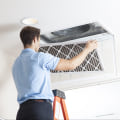
When it comes to ensuring a comfortable living environment, few investments are as crucial as a reliable air conditioning system. However, the cost of air conditioner installation can often be a source of confusion for homeowners. Understanding the various factors that contribute to the overall price of a new AC unit is essential for making an informed decision. From the type of system you choose to the specific requirements of your home, each element plays a significant role in determining the final cost.The price of a new AC unit can vary widely based on several key factors.
For instance, the size and capacity of the unit must align with your home's square footage and cooling needs. Additionally, the complexity of the installation process, including any necessary modifications to existing ductwork or electrical systems, can significantly impact HVAC installation expenses. Homeowners should also consider regional differences in labor costs, which can fluctuate based on local market conditions.Moreover, it’s important to recognize that the initial purchase price is just one part of the equation. Ongoing maintenance and potential repair costs should also be factored into your budget.
By taking a comprehensive approach to understanding new AC unit prices, homeowners can better prepare for both immediate and long-term financial commitments associated with air conditioner installation.
Types of Air Conditioning Systems
When it comes to air conditioning systems, homeowners have a variety of options to choose from, each with its own set of advantages and disadvantages. Understanding these different types can help you make an informed decision that best suits your home and lifestyle.Central Air Conditioning
Central air conditioning is one of the most popular choices for homeowners, especially in larger homes. This system uses a network of ducts to distribute cool air throughout the house. Here are some key features:- Efficiency: Central AC units are generally more energy-efficient than other types, especially when cooling large spaces.
- Comfort: They provide consistent cooling across multiple rooms, ensuring that every part of your home remains comfortable.
- Installation: Installation can be more complex and costly, particularly if ductwork needs to be added or modified.
Window Air Conditioners
Window units are a more affordable option for cooling individual rooms.They are installed in a window frame and are ideal for smaller spaces. Consider the following:
- Cost-Effective: Window AC units are generally less expensive to purchase and install compared to central systems.
- Portability: They can be easily removed and relocated, making them a flexible option for renters or those who move frequently.
- Limited Coverage: These units typically cool only one room at a time, which may not be sufficient for larger homes.
Portable Air Conditioners
Portable air conditioners offer another alternative for homeowners looking for flexibility. These units can be moved from room to room as needed. Here’s what you should know:- No Permanent Installation: Unlike window units, portable ACs do not require permanent installation, making them easy to set up and use.
- Space Requirements: They require some floor space and need to be vented through a window or wall, which can limit their placement options.
- Cooling Capacity: While they can effectively cool small areas, they may not be as powerful as central or window units for larger spaces.
By understanding the differences among these systems, you can select the best air conditioning solution that meets your needs while ensuring comfort during those hot summer months.
Factors Influencing the Cost of a New AC Unit
When considering the purchase of a new air conditioning unit, it’s essential to understand the various factors that can significantly influence the overall cost. Each element plays a crucial role in determining not only the price of the unit itself but also the total expenses associated with air conditioner installation. Below are some of the primary factors to consider:- Type of Air Conditioning Unit: The type of AC unit you choose will have a substantial impact on your costs. Central air conditioning systems are typically more expensive than window or portable units due to their complexity and efficiency.
Additionally, high-efficiency models, while initially pricier, can lead to lower energy bills over time.
- Size Requirements: The size of your home directly affects the size of the AC unit needed. Units are measured in tons, with larger homes requiring more powerful systems. An undersized unit will struggle to cool your space effectively, leading to higher energy costs and potential system failure. Conversely, an oversized unit may cycle on and off too frequently, wasting energy and causing wear and tear.
- Ductwork Needs: If your home lacks existing ductwork, this will add significant costs to your installation.
Installing new ducts can be labor-intensive and may require modifications to your home’s structure. If ductwork is already in place but needs repairs or upgrades, this will also contribute to the overall expense.
- Local Contractor Fees: Labor costs can vary widely based on geographic location and contractor experience. It’s advisable to obtain multiple quotes from different contractors to ensure you receive a fair price for installation services. Be sure to check reviews and ask for references to gauge the quality of their work.
- Additional Features: Many modern air conditioning units come with advanced features such as programmable thermostats, smart home compatibility, and variable-speed compressors.
While these features can enhance comfort and efficiency, they may also increase the initial purchase price.
Understanding Energy Efficiency Ratings
When considering a new air conditioning unit, understanding energy efficiency ratings is crucial for making an informed decision. One of the most important metrics to look at is the Seasonal Energy Efficiency Ratio (SEER). This rating measures the cooling output of an air conditioner over a typical cooling season divided by the total electric energy input during the same period.In simpler terms, a higher SEER rating indicates a more energy-efficient unit.For homeowners, investing in an air conditioner with a high SEER rating can lead to significant long-term savings on energy bills. While units with higher SEER ratings often come with a higher initial price tag, the reduction in energy consumption can offset these costs over time. For example, an air conditioner with a SEER rating of 16 may use up to 30% less energy than one with a rating of 13.
Understanding SEER Ratings
SEER ratings typically range from 13 to 25, with most modern units falling between these numbers. Here’s a breakdown of what these ratings mean:- SEER 13-14: These are considered minimum efficiency levels for new units and are generally adequate for moderate climates.
- SEER 15-16: Units in this range offer better efficiency and are suitable for most homeowners looking to balance cost and performance.
- SEER 17 and above: High-efficiency models that provide significant energy savings, ideal for those living in hotter climates or who use their AC frequently.
- Energy Star Certification: Look for units that have this certification, as they meet strict energy efficiency guidelines set by the U.
S. Environmental Protection Agency.
- Variable Speed Compressors: These compressors adjust their speed based on cooling demand, leading to less energy waste and improved comfort.
- Proper Sizing: An air conditioner that is too large or too small for your home can lead to inefficiencies. Always consult with a professional to determine the right size for your space.
Installation Costs: What to Expect
When considering a new air conditioning unit, understanding the installation costs is crucial for budgeting effectively.The total cost of air conditioner installation can vary significantly based on several factors, including the type of unit, the complexity of the installation, and local labor rates.
Typical Installation Fees
On average, homeowners can expect to pay between $1,500 and $4,000 for a complete air conditioner installation. This price range typically includes both the cost of the unit and the associated labor fees. However, it’s essential to note that this is a general estimate; actual costs can fluctuate based on specific circumstances.
Labor Costs
Labor costs for HVAC installation can account for a significant portion of the total expense. Depending on your location, labor rates can range from $50 to $150 per hour.
The complexity of the installation also plays a role; for instance, if your home requires extensive ductwork modifications or electrical upgrades, you may see an increase in labor charges.
Additional Charges
In addition to standard installation fees, there are potential extra costs that homeowners should be aware of:
- Ductwork Installation: If your home lacks existing ductwork or if your current ducts need repairs or replacement, this can add anywhere from $1,000 to $5,000 to your overall costs.
- Electrical Work: Upgrading your electrical system to accommodate a new AC unit may incur additional charges. This could range from $200 to $1,500 depending on the extent of the work needed.
- Permits and Inspections: Some localities require permits for HVAC installations. These can cost between $50 and $300.
Getting Accurate Quotes
To ensure you receive an accurate estimate for your air conditioner installation, it’s advisable to obtain quotes from multiple contractors. When requesting quotes, be specific about your needs and any existing conditions in your home that may affect the installation process.
Additionally, ask contractors to break down their estimates into parts: equipment costs, labor fees, and any additional charges. This transparency will help you make an informed decision and avoid unexpected expenses.In summary, understanding the various components that contribute to air conditioner installation costs will empower you as a homeowner to budget effectively and choose the right contractor for your needs.
Additional Costs to Consider Beyond Purchase Price
When budgeting for a new air conditioning unit, homeowners often focus solely on the initial purchase price. However, it is crucial to consider additional costs that can arise over the lifespan of your AC system. These costs can significantly impact your overall investment and should be factored into your financial planning.Maintenance Expenses
Regular maintenance is essential for ensuring the longevity and efficiency of your air conditioning system.While some homeowners may attempt to perform basic maintenance tasks themselves, such as changing filters, professional servicing is highly recommended. Here are some common maintenance expenses to consider:
- Annual Tune-Ups: Hiring a professional HVAC technician for an annual inspection and tune-up can cost between $75 and $150. This service typically includes checking refrigerant levels, cleaning coils, and inspecting electrical components.
- Filter Replacement: Depending on the type of filter used, replacement costs can range from $10 to $50 every few months. Regularly changing filters helps maintain airflow and efficiency.
- Cleaning Ductwork: If your home has ductwork, it may require cleaning every 3 to 5 years.
This service can cost between $300 and $500, depending on the size of your home and the complexity of the duct system.
Repair Costs Over Time
No matter how well you maintain your air conditioning unit, repairs are inevitable over time. Understanding potential repair costs can help you prepare for unexpected expenses:- Common Repairs: Issues such as refrigerant leaks, faulty thermostats, or compressor failures can lead to repair bills ranging from $150 to $1,500 or more, depending on the severity of the problem.
- Emergency Repairs: If your AC unit breaks down during peak summer months, emergency repair services may charge a premium. Be prepared for potential costs that could double during high-demand periods.
Potential Upgrades
If you are replacing an older AC unit, you may also need to consider upgrades to your existing HVAC system. These upgrades can enhance efficiency and comfort but come with additional costs:- Duct Replacement: If your current ductwork is outdated or damaged, replacing it can cost between $2,000 and $5,000.
- Smart Thermostats: Investing in a smart thermostat can improve energy efficiency and allow for better control over your home's temperature.
Prices typically range from $100 to $300.
Signs You Need to Replace Your Air Conditioner
As a homeowner, understanding when to replace your air conditioning unit is crucial for maintaining comfort and efficiency in your home. Ignoring the signs of a failing AC system can lead to unexpected breakdowns and costly repairs. Here are some key indicators that it may be time to consider a replacement.Age of the Unit
One of the most significant factors in determining whether to replace your air conditioner is its age.Most central air conditioning units have a lifespan of about 10 to 15 years. If your unit is approaching or has surpassed this age, it’s wise to start planning for a replacement. Older units tend to lose efficiency, leading to higher energy bills and more frequent repairs.
Increased Energy Bills
If you notice a sudden spike in your energy bills without any changes in usage, it could be a sign that your air conditioner is struggling to operate efficiently. As systems age, they often require more energy to cool your home effectively.Investing in a new, energy-efficient model can save you money in the long run.
Frequent Repairs
Are you calling your HVAC technician more often than usual? Frequent repairs can indicate that your air conditioning unit is on its last legs. If you find yourself spending more on repairs than you would on a new unit, it’s time to consider replacing it. A good rule of thumb is the "$5,000 rule": if the cost of repairs exceeds 50% of the cost of a new unit multiplied by its age in years, replacement may be the better option.Inconsistent Cooling
If certain rooms in your home are consistently warmer than others or if you notice that your AC struggles to maintain the set temperature, these are signs that your system may not be functioning properly. Inconsistent cooling can stem from various issues, including refrigerant leaks or problems with ductwork, but if these issues persist, replacement might be necessary.Unusual Noises
Pay attention to any strange noises coming from your air conditioning unit.Sounds like grinding, squealing, or banging can indicate serious mechanical issues. While some noises can be repaired, persistent unusual sounds may suggest that the unit is nearing the end of its life.
Humidity Issues
Your air conditioner should effectively control humidity levels in your home. If you notice excessive humidity or condensation on windows and walls, it could mean that your AC unit is not removing moisture as it should. This inefficiency can lead to mold growth and other issues, making replacement a necessary consideration.Recognizing these signs early can help you avoid costly repairs and ensure that your home remains comfortable during hot weather.If you suspect that it’s time for a new air conditioning unit, consult with an HVAC professional to discuss your options and find the best solution for your needs.
Choosing the Right Contractor for Installation
When it comes to air conditioner installation, selecting the right contractor is crucial for ensuring a smooth and efficient process. A qualified HVAC contractor can make all the difference in the performance and longevity of your new system. Here are some key factors to consider when choosing a contractor for your AC installation.Check Credentials and Licensing
First and foremost, verify that the contractor holds the necessary licenses and certifications required in your state. This not only ensures that they are qualified to perform the work but also protects you as a homeowner.Look for contractors who are certified by recognized organizations such as the North American Technician Excellence (NATE) or those who have received training from manufacturers of HVAC equipment.
Experience Matters
Experience is another critical factor. A contractor with several years in the industry will likely have encountered a variety of installation scenarios, making them better equipped to handle any challenges that may arise during your project. Ask potential contractors how long they have been in business and if they specialize in residential installations.Read Customer Reviews
Customer reviews can provide valuable insights into a contractor's reliability and quality of work. Check online platforms such as Google Reviews, Yelp, or the Better Business Bureau (BBB).Look for patterns in feedback—positive reviews about punctuality, professionalism, and post-installation support are good signs. Conversely, multiple complaints about poor workmanship or lack of communication should raise red flags.
Get Multiple Quotes
Before making a decision, obtain quotes from at least three different contractors. This will give you a better understanding of the market rate for your installation and help you identify any outliers. When comparing quotes, ensure that they include similar scopes of work, as well as warranties on both labor and equipment.Ask About Insurance
A reputable contractor should carry liability insurance and workers' compensation coverage.This protects you from potential liabilities in case of accidents or damages during the installation process. Always ask for proof of insurance before hiring anyone.
Evaluate Communication Skills
The way a contractor communicates can be indicative of their professionalism. During your initial interactions, pay attention to how promptly they respond to inquiries and how clearly they explain their services. A good contractor should be willing to answer your questions and provide detailed information about the installation process.By taking these steps, you can find a reliable HVAC contractor who will ensure that your air conditioner installation is handled efficiently and professionally, ultimately leading to a more comfortable home environment.Maintaining Your New Air Conditioning System
Once you have invested in a new air conditioning system, maintaining it properly is crucial to ensure its efficiency and longevity.Regular maintenance not only helps in keeping your home comfortable but also extends the lifespan of your unit, saving you money in the long run. Here are some essential air conditioner maintenance tips that every homeowner should follow:
- Change Air Filters Regularly: One of the simplest yet most effective ways to maintain your AC unit is by changing the air filters every 1-3 months. Clogged filters restrict airflow, making your system work harder and less efficiently. This can lead to higher energy bills and potential damage to the unit.
- Keep the Outdoor Unit Clean: The outdoor condenser unit should be free from debris such as leaves, dirt, and grass clippings.
Regularly inspect and clean the area around the unit to ensure proper airflow. A clean condenser can significantly improve efficiency.
- Schedule Annual Professional Maintenance: While there are many maintenance tasks you can handle yourself, it’s wise to schedule a professional inspection at least once a year. A qualified technician can identify potential issues before they become major problems, ensuring your system runs smoothly.
- Check the Thermostat Settings: Ensure that your thermostat is functioning correctly and set to an appropriate temperature. Consider upgrading to a programmable thermostat for better control over your home’s cooling schedule, which can also help save on energy costs.
- Inspect Ductwork for Leaks: Leaky ducts can lead to significant energy loss and reduced efficiency.
Periodically check for any visible signs of wear or damage in your ductwork and seal any leaks promptly.
- Monitor Refrigerant Levels: Low refrigerant levels can indicate a leak or other issues within the system. If you notice that your AC isn’t cooling effectively, it’s essential to have a professional check the refrigerant levels and address any leaks.
Conclusion: Making Informed Decisions About Air Conditioner Installation Costs
In summary, understanding the cost of air conditioner installation is crucial for homeowners looking to enhance their comfort during the warmer months. Throughout this article, we have explored various factors that influence the overall expense of a new AC unit, emphasizing the importance of making informed decisions.First and foremost, it is essential to recognize that the type of air conditioning system you choose will significantly impact your budget.Central air conditioning units, while more expensive upfront, often provide better efficiency and comfort compared to window or portable units. Therefore, evaluating your specific needs and the size of your home is vital in determining the right system.Additionally, the size of the unit plays a critical role in both performance and cost. A properly sized AC unit ensures optimal cooling without excessive energy consumption. Homeowners should consult with HVAC professionals to conduct a load calculation, which will help identify the appropriate tonnage required for their space.Another key consideration is ductwork.
If your home lacks existing ductwork, the installation process can add significant costs to your project. It’s advisable to factor in these potential expenses when budgeting for a new air conditioning system.Moreover, local contractor fees can vary widely based on geographic location and market demand. Obtaining multiple quotes from reputable contractors not only helps you find competitive pricing but also allows you to gauge the quality of service offered.Finally, don’t overlook additional costs associated with air conditioner installation, such as maintenance and repair services. Regular upkeep is essential for prolonging the lifespan of your unit and ensuring it operates efficiently.By taking the time to understand these factors and conducting thorough research, homeowners can make well-informed decisions regarding their air conditioner installation.
This proactive approach not only leads to better financial outcomes but also enhances overall home comfort.