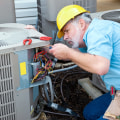
When considering the purchase of a new air conditioning unit, understanding air conditioner installation is crucial. This process involves not just the physical setup of the unit but also a series of steps that ensure optimal performance and efficiency. Proper installation can significantly impact the longevity of your air conditioning system, as well as its energy consumption. A well-installed unit will cool your home more effectively, leading to lower energy bills and a more comfortable living environment.The significance of air conditioner installation extends beyond mere convenience.
It encompasses various factors such as the size of the unit, the layout of your home, and even local climate conditions. For instance, an air conditioner that is too small for your space will struggle to cool effectively, while one that is too large may cycle on and off too frequently, wasting energy and causing unnecessary wear and tear. Therefore, understanding these dynamics is essential when deciding to invest in a new air conditioning system.Moreover, the timing of your purchase can greatly influence both the cost and quality of installation services. HVAC professionals often experience fluctuations in demand based on seasonal changes, which can affect pricing and availability.
By being informed about the best times to buy an air conditioner, you can not only save money but also ensure that you receive high-quality installation services tailored to your specific needs.
The Seasonal Demand for Air Conditioners
Understanding the seasonal demand for air conditioners is crucial for making an informed purchase. The demand for these units fluctuates significantly throughout the year, influenced by various factors such as temperature changes, consumer behavior, and market trends.During the summer months, particularly in June, July, and August, the demand for air conditioners peaks. This is primarily due to the soaring temperatures that compel homeowners to seek relief from the heat. As a result, HVAC contractors experience a surge in service requests for both installations and repairs.This high demand often leads to increased prices for air conditioning units and installation services.Conversely, the winter months typically see a significant drop in demand. Many consumers are less likely to consider purchasing an air conditioner when temperatures are low. This off-peak season can be advantageous for savvy shoppers looking to buy a new unit. Retailers often reduce prices to clear out inventory before new models are introduced in the spring.The transitional seasons of spring and fall present unique opportunities for buyers.
In spring, as temperatures begin to rise, homeowners start preparing for the upcoming heat. This period is characterized by moderate demand, which can lead to competitive pricing among retailers eager to attract customers before the summer rush. Similarly, in fall, as temperatures cool down, many people opt to purchase air conditioners at discounted rates to prepare for next summer.Another factor influencing seasonal demand is the introduction of new models by manufacturers. Typically released in late winter or early spring, these new models prompt retailers to discount older inventory to make room for fresh stock.
This creates an excellent opportunity for consumers to purchase high-quality air conditioning units at lower prices.In summary, understanding when to buy an air conditioner can significantly impact your overall costs. By recognizing the patterns of seasonal demand—high during summer and low during winter—you can strategically plan your purchase during off-peak times like spring or fall when prices are more favorable.
Why Fall and Spring Are Ideal for Purchasing
When considering the best time to buy an air conditioner, fall and spring emerge as the most advantageous seasons for several compelling reasons. Understanding these factors can help you make a more informed decision and ultimately save money.One of the primary reasons these seasons are ideal is the lower demand for air conditioning units. During the summer months, homeowners are often in urgent need of cooling solutions due to soaring temperatures.This high demand can lead to inflated prices and limited availability. Conversely, in the fall and spring, the demand significantly decreases as temperatures become more moderate. This shift allows consumers to take advantage of a more competitive market where prices are generally lower.Another critical factor is the price reductions that occur during these transitional seasons. Retailers and manufacturers frequently offer discounts on older models to make room for new inventory.
As new air conditioning systems are released, retailers are eager to clear out existing stock, which can lead to substantial savings for consumers. By purchasing during this time, you can often find high-quality units at a fraction of their original price.Additionally, buying an air conditioner in the off-season means you have a wider selection of models to choose from. With fewer customers competing for the same units, you can take your time to research and select the best option that fits your needs and budget. This is particularly beneficial if you are looking for specific features or energy efficiency ratings.Moreover, purchasing in fall or spring allows for better scheduling of installation services.
HVAC contractors typically experience a lull in their workload during these months, making it easier to secure an appointment that fits your schedule. This flexibility can also lead to faster installation times, ensuring that your new air conditioner is up and running well before the peak heat of summer arrives.In summary, buying an air conditioner during the fall or spring not only provides financial benefits through lower prices and discounts but also offers greater selection and convenience in installation. By planning your purchase around these seasons, you can ensure that you get the best value for your investment.
Understanding Pricing Trends in Air Conditioner Sales
Understanding the pricing trends in air conditioner sales is crucial for consumers looking to make an informed purchase. Throughout the year, various factors influence the cost of air conditioning units, and being aware of these trends can help you secure the best deal.One of the primary drivers of pricing fluctuations is the seasonal demand for air conditioning systems.During peak summer months, when temperatures soar, the demand for air conditioners skyrockets. This increased demand often leads to higher prices as retailers and manufacturers capitalize on the urgency of consumers needing cooling solutions. Conversely, during the fall and spring, when temperatures are milder, demand decreases significantly. As a result, prices tend to drop, making these seasons ideal for purchasing a new unit.Another important aspect to consider is the introduction of new models by manufacturers.
Typically, new air conditioning models are released in late winter or early spring. As these new units hit the market, retailers often seek to clear out older inventory to make room for the latest models. This strategy frequently results in substantial discounts on last year’s models, providing savvy shoppers with an opportunity to purchase high-quality units at reduced prices.Additionally, many retailers offer promotional sales during specific times of the year, such as Memorial Day or Labor Day. These sales can coincide with seasonal shifts and are designed to attract customers looking for deals on air conditioners.
By keeping an eye on these promotional periods, consumers can take advantage of significant savings.In summary, understanding how prices change seasonally and recognizing the impact of new model releases can empower consumers to make strategic purchasing decisions. By timing your purchase during off-peak seasons or promotional events, you can maximize your savings and ensure you get a quality air conditioning unit without breaking the bank.
Factors Influencing Air Conditioner Installation Costs
When considering the installation of an air conditioner, understanding the various factors that influence the overall costs is crucial for making an informed decision. Here are some key elements that can significantly affect the price of your air conditioning installation:- Unit Size: The size of the air conditioning unit is one of the most critical factors in determining installation costs. Units are measured in BTUs (British Thermal Units), and selecting the right size for your space is essential.
An undersized unit will struggle to cool your home, leading to higher energy bills, while an oversized unit can lead to inefficient operation and increased wear and tear. Proper sizing often requires a professional assessment, which can add to initial costs but ultimately saves money in the long run.
- Energy Efficiency Ratings: Air conditioners come with various energy efficiency ratings, such as SEER (Seasonal Energy Efficiency Ratio). Higher-rated units tend to have a higher upfront cost but can lead to significant savings on energy bills over time. Investing in a more efficient model may increase installation costs but can be beneficial for long-term savings and environmental impact.
- Labor Costs: Labor costs can vary widely based on location, contractor experience, and the complexity of the installation.
In areas with a high demand for HVAC services, labor rates may be elevated. Additionally, if your installation requires extensive ductwork modifications or electrical upgrades, these factors will contribute to higher labor costs.
- Type of System: The type of air conditioning system you choose also plays a role in installation costs. Central air systems typically require more extensive installation work compared to window units or portable systems. Ductless mini-split systems offer flexibility and efficiency but may come with higher initial costs due to their unique installation requirements.
- Additional Features: Many modern air conditioning units come equipped with advanced features such as smart thermostats, variable speed compressors, and enhanced filtration systems.
While these features can improve comfort and efficiency, they may also increase both the purchase price of the unit and the overall installation cost.
How to Prepare for Air Conditioner Installation
Preparing for air conditioner installation is a crucial step that can significantly impact the efficiency and effectiveness of your new unit. Before making a purchase, there are several important considerations to keep in mind to ensure a smooth installation process.1.Assess Your Home's Size
- One of the first steps is to evaluate the size of your home. The cooling capacity of an air conditioner is measured in BTUs (British Thermal Units), and selecting a unit that is appropriately sized for your space is essential.
A unit that is too small will struggle to cool your home, while one that is too large can lead to increased energy costs and humidity issues.
2.Evaluate Existing Ductwork
- If you are replacing an existing system, inspect your current ductwork for any leaks or damage. Properly sealed and insulated ducts are vital for efficient airflow and cooling. If your ducts are in poor condition, you may need to consider repairs or even a complete replacement before installing a new air conditioning unit.
3.Consider Your Home's Insulation
- Good insulation plays a significant role in maintaining indoor temperatures. Check the insulation in your walls, attic, and floors.
If your home is poorly insulated, it may be worth investing in upgrades before installing a new air conditioning system to maximize its efficiency.
4.Determine Your Budget
- Establishing a budget is essential when preparing for an air conditioner installation. Consider not only the cost of the unit itself but also installation fees, potential ductwork repairs, and any additional features you may want, such as smart thermostats or energy-efficient models.
5.Research Different Models
- Take the time to research various air conditioning models and their features. Look for units with high SEER (Seasonal Energy Efficiency Ratio) ratings, as these will save you money on energy bills over time. Read reviews and consult with HVAC professionals to find the best options for your needs.
6.Schedule Professional Installation
- Once you have selected your air conditioning unit, schedule a professional installation.
Proper installation is key to ensuring that your system operates efficiently and effectively. A qualified technician will ensure that all components are correctly installed and that the system is calibrated for optimal performance.
Common Mistakes to Avoid When Buying an Air Conditioner
Purchasing an air conditioner can be a daunting task, especially with the myriad of options available on the market today. To ensure you make a wise investment, it’s crucial to avoid common mistakes that many consumers make during the buying process. Here are some pitfalls to watch out for:- Neglecting to Assess Your Needs: One of the biggest errors is failing to evaluate your specific cooling requirements.
Consider factors such as the size of your home, the number of rooms, and your local climate. A unit that is too small will struggle to cool your space, while one that is too large can lead to increased energy costs and humidity issues.
- Ignoring Energy Efficiency Ratings: Many buyers overlook the importance of energy efficiency when selecting an air conditioner. Look for units with a high SEER (Seasonal Energy Efficiency Ratio) rating. Investing in an energy-efficient model may have a higher upfront cost but will save you money on utility bills in the long run.
- Overlooking Installation Costs: Some consumers focus solely on the price of the unit itself and forget to factor in installation costs.
Professional installation is essential for optimal performance and efficiency. Always get quotes from multiple contractors and ensure they are licensed and insured.
- Failing to Research Brands and Models: Not all air conditioners are created equal. Take the time to research different brands and models, read reviews, and compare warranties. A reputable brand with good customer service can make a significant difference in your overall satisfaction.
- Rushing the Decision: Buying an air conditioner is not a decision to be made hastily.
Take your time to gather information, compare options, and consult with HVAC professionals if needed. Rushing can lead to regret and costly mistakes.
Frequently Asked Questions About Air Conditioner Installation Timing
When considering the timing for air conditioner installation, many homeowners have questions that can significantly impact their purchasing decisions. Here are some of the most frequently asked questions regarding the best time to buy and install an air conditioning unit.1.What is the best time of year to buy an air conditioner?
The optimal times to purchase an air conditioner are during the spring and fall.During these seasons, demand is lower, which often results in better pricing and more options available. Retailers are also looking to clear out older models to make way for new inventory, leading to potential discounts.
2.Why should I avoid buying an air conditioner in summer?
Summer is typically the peak season for air conditioning sales and installations. As temperatures rise, so does demand, which can lead to inflated prices and longer wait times for installation. Additionally, HVAC technicians are often booked solid during this time, making it difficult to schedule a timely installation.3.Are there specific months that are better for installation?
Generally, late April through early June and late August through early October are ideal months for installation.These periods usually see milder weather, allowing homeowners to make informed decisions without the pressure of immediate heat.
4.Can I get a better deal on installation during off-peak times?
Yes! Off-peak times, such as late fall and winter, can offer significant savings on both units and installation costs. Many contractors may offer promotions or discounts during these slower months to attract business.5.Should I wait for a sale or promotion?
If you can plan ahead, waiting for seasonal sales or manufacturer promotions can be beneficial. Many retailers offer discounts during major holidays or at the end of summer as they clear out inventory.6.How does weather affect installation timing?
Extreme weather conditions can impact installation schedules. For instance, heavy rain or snow can delay outdoor work.Therefore, it’s wise to consider local climate patterns when planning your purchase and installation.By understanding these common questions about air conditioner installation timing, you can make a more informed decision that aligns with your budget and comfort needs.
Conclusion: Making Informed Decisions for Your Air Conditioning Needs
In conclusion, understanding the optimal timing for air conditioner installation can significantly impact both your comfort and your wallet. Throughout this article, we have explored various factors that influence the best time to purchase a new air conditioning unit, emphasizing the importance of planning ahead.As we discussed, the fall and spring seasons present unique opportunities for consumers. During these times, demand for HVAC services typically decreases, leading to lower prices and more favorable purchasing conditions. This is particularly advantageous for those looking to replace an old unit or install a new system.By taking advantage of seasonal trends, you can secure a high-quality air conditioner at a more affordable price.Moreover, the release of new models by manufacturers often coincides with these off-peak seasons. Retailers are eager to clear out older inventory to make room for the latest technology, which means you can find excellent deals on reliable units that still meet your needs. It’s essential to stay informed about these cycles and be ready to act when the time is right.Additionally, considering your specific requirements—such as the size of your home, energy efficiency ratings, and budget—will help you make a more informed decision. Investing in an air conditioning system is not just about the initial purchase; it’s also about long-term savings on energy bills and maintenance costs.
Therefore, evaluating your options carefully will pay off in the long run.Ultimately, making an informed decision regarding your air conditioning needs involves understanding market trends, recognizing seasonal advantages, and aligning your purchase with your personal requirements. By following these guidelines, you can ensure that you choose the right air conditioning system at the right time, enhancing your comfort while maximizing your investment.