Understanding your HVAC system is crucial for maintaining a comfortable home environment. HVAC, which stands for Heating, Ventilation, and Air Conditioning, encompasses a range of systems designed to regulate indoor temperature and air quality. These systems are composed of several key components, including the furnace, air conditioner, ductwork, and thermostat. Each part plays a vital role in ensuring that your home remains cozy during the winter months and cool during the summer heat.Typically, the lifespan of an HVAC system can vary significantly based on several factors, including the type of system, usage patterns, and maintenance practices.
On average, an air conditioning unit can last anywhere from 10 to 15 years, while furnaces may have a lifespan of 15 to 20 years. However, these figures can fluctuate based on how well the system is maintained and whether it has been subjected to any undue stress or damage over the years.As systems age, they often become less efficient, leading to higher energy bills and decreased comfort levels. Homeowners should be vigilant for signs that their HVAC system may be nearing the end of its life cycle. Common indicators include frequent breakdowns, inconsistent temperatures throughout the home, and unusual noises or odors emanating from the unit.
Recognizing these signs early can help you make informed decisions about whether it’s time for air conditioner installation or if repairs will suffice.In this article, we will delve deeper into the factors that influence HVAC system longevity and provide guidance on when it might be prudent to consider replacing your unit. By understanding these elements, you can ensure that your home remains a comfortable sanctuary year-round.
Signs That Indicate It's Time for a Replacement
Deciding whether to replace your HVAC system can be a daunting task, but recognizing the signs that indicate a replacement is necessary can simplify the decision-making process. Here are some key indicators that suggest it might be time to consider a new air conditioning unit.1.Age of the System
One of the most significant factors in determining whether to replace your HVAC system is its age. Most air conditioning units have a lifespan of about 15 to 20 years.If your system is approaching or has surpassed this age range, it may be time to start thinking about a replacement. Older systems are not only less efficient but also more prone to breakdowns, which can lead to costly repairs.
2.Frequent Repairs
If you find yourself calling for repairs more often than you used to, it’s a clear sign that your HVAC system is struggling. Frequent breakdowns can indicate that the unit is nearing the end of its life cycle. While minor repairs are normal, if you’re spending more on repairs than you would on a new system, it’s time to consider an upgrade.3.Rising Energy Bills
Another telling sign that your HVAC system may need replacing is a noticeable increase in your energy bills.As air conditioning units age, they tend to lose efficiency, causing them to work harder to maintain the desired temperature in your home. If you notice a significant spike in your energy costs without any changes in usage patterns, it could be due to an inefficient HVAC system.
4.Inconsistent Temperatures
Do you find that some rooms in your home are warmer or cooler than others? Inconsistent temperatures can indicate that your HVAC system is struggling to distribute air evenly throughout your home. This issue may stem from ductwork problems or an aging unit that can no longer effectively cool your space.5.Unusual Noises
If your air conditioning unit starts making strange noises—such as grinding, squealing, or banging—it’s a sign that something is wrong. While some noises can be fixed with minor repairs, persistent unusual sounds often indicate deeper issues that could warrant a full replacement.6.Poor Air Quality
Your HVAC system plays a crucial role in maintaining indoor air quality.If you notice an increase in dust, allergens, or humidity levels in your home, it may be due to an inefficient or failing air conditioning unit. A new system can help improve air quality and create a healthier living environment.In summary, recognizing these signs can help you make an informed decision about whether it’s time for an air conditioner replacement. If you’re experiencing any of these issues, consulting with an HVAC professional can provide further insight and guidance tailored to your specific situation.
The Impact of New Regulations on HVAC Systems
As we move into 2023, significant changes in HVAC regulations are reshaping the landscape for homeowners considering air conditioner installation. One of the most notable updates involves new coolant requirements aimed at reducing environmental impact.The transition from R-410A to more eco-friendly refrigerants is not just a trend; it’s a regulatory mandate that affects both existing systems and new installations.These regulations are primarily driven by the need to phase out substances that contribute to ozone depletion and global warming. The new refrigerants, such as R-32, are designed to be more efficient and less harmful to the environment. However, this shift raises important questions for homeowners: Should you wait to replace your HVAC system until these regulations are fully in effect? Or is it better to act now?One of the key impacts of these regulations is on the availability of replacement parts and units. As manufacturers transition to compliant refrigerants, older models that use R-410A may become harder to find.
This could lead to longer wait times for repairs or replacements, especially if your current system fails unexpectedly. Therefore, if your HVAC system is nearing the end of its lifespan or showing signs of inefficiency, it may be prudent to consider replacement sooner rather than later.Moreover, compliance with these new regulations can also influence the cost of air conditioner installation. While initial costs may seem higher for systems using newer refrigerants, the long-term savings on energy bills and potential rebates for environmentally friendly systems can offset this expense. Homeowners should consult with HVAC professionals who can provide insights into the best options available that meet regulatory standards while also fitting their budget.In addition to cost considerations, future-proofing your home against upcoming regulations is essential.
By investing in a new HVAC system that complies with 2023 standards, you not only ensure compliance but also enhance your home’s energy efficiency and comfort levels. This proactive approach can lead to significant savings over time and increase your property’s value.In conclusion, while the new HVAC regulations may seem daunting, they present an opportunity for homeowners to upgrade their systems for better efficiency and environmental responsibility. By understanding these changes and their implications, you can make informed decisions about air conditioner installation that will benefit both your home and the planet.
Cost Considerations for Replacing Your HVAC System
When considering the replacement of your HVAC system, understanding the cost implications is crucial. The initial investment can be significant, but it’s essential to look beyond the upfront costs and consider the long-term savings and financing options available.Initial Costs of HVAC Replacement
The cost of replacing an HVAC system varies widely based on several factors, including:
- System Type: Central air conditioning systems typically range from $3,000 to $7,000, while ductless mini-split systems can cost between $2,000 and $5,000.
- Size and Capacity: The size of your home and the required capacity of the unit will influence the price.
Larger homes may need more powerful systems, which can increase costs.
- Installation Complexity: If your home requires extensive ductwork modifications or additional electrical work, installation costs can rise significantly.
- Brand and Efficiency Ratings: Higher efficiency models often come with a higher price tag but can lead to substantial savings on energy bills over time.
Long-Term Savings on Energy Bills
Investing in a new HVAC system can lead to considerable savings on your energy bills. Modern units are designed to be more energy-efficient than older models, often achieving SEER (Seasonal Energy Efficiency Ratio) ratings of 15 or higher. This efficiency translates into lower monthly utility costs. For instance, homeowners can save anywhere from 20% to 50% on their energy bills by upgrading to a high-efficiency system.
Financing Options for HVAC Replacement
Recognizing that the upfront cost of an HVAC system can be daunting, many companies offer various financing options to help ease the financial burden:
- Installment Plans: Many HVAC contractors provide flexible payment plans that allow you to spread the cost over several months or years.
- Credit Options: Some homeowners may qualify for special credit programs that offer low-interest rates or deferred payments for HVAC installations.
- Utility Rebates: Check with your local utility company for any available rebates or incentives for installing energy-efficient systems.
These can significantly reduce your overall costs.
- Government Programs: Certain government programs may offer financial assistance or tax credits for energy-efficient home improvements.
Choosing the Right Air Conditioner for Your Home
Choosing the right air conditioner for your home is a crucial decision that can significantly impact your comfort and energy bills. With numerous options available in 2023, understanding how to select the best unit tailored to your needs is essential.First and foremost, consider the size of your home. The cooling capacity of an air conditioner is measured in British Thermal Units (BTUs).A unit that is too small will struggle to cool your space, while one that is too large can lead to inefficient operation and increased humidity. To determine the appropriate BTU rating, you can use a simple formula: multiply the square footage of your home by 20 BTUs per square foot. For example, a 1,500 square foot home would require an air conditioner with a capacity of approximately 30,000 BTUs.Next, evaluate the energy efficiency of potential units. Look for models with a high Seasonal Energy Efficiency Ratio (SEER) rating.
The higher the SEER rating, the more efficient the unit will be, which translates to lower energy costs over time. In 2023, many manufacturers are producing units with SEER ratings above 16, which are considered highly efficient.Another important factor is the type of air conditioning system you prefer. Options include:
- Central Air Conditioning: Ideal for larger homes, providing even cooling throughout.
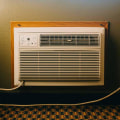
- Window Units: Suitable for smaller spaces or individual rooms; they are often more affordable but less efficient.
- Ductless Mini-Split Systems: Great for homes without ductwork; they offer flexibility and efficiency.
- Portable Air Conditioners: Easy to move from room to room but typically less efficient than other options.
A qualified HVAC technician can assess your home’s specific needs and install the unit correctly, preventing potential issues down the line. Proper installation not only maximizes efficiency but also helps maintain any warranties associated with the unit.In summary, selecting the right air conditioner involves careful consideration of size, efficiency ratings, type of system, and professional installation. By taking these factors into account, you can ensure a comfortable living environment while keeping energy costs manageable.
The Importance of Professional Installation
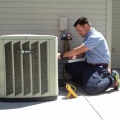
When it comes to air conditioner installation, the importance of professional installation cannot be overstated. While some homeowners may consider a DIY approach to save money, the long-term benefits of hiring experienced HVAC professionals far outweigh any initial savings.One of the primary reasons to opt for professional installation is the assurance of proper system sizing and placement.HVAC professionals are trained to assess your home’s specific needs, taking into account factors such as square footage, insulation quality, and local climate conditions. This ensures that the new system operates at peak efficiency, which can lead to significant energy savings over time.
Benefits of Hiring HVAC Professionals
- Expertise and Experience: HVAC technicians possess extensive training and hands-on experience. They understand the intricacies of different systems and can troubleshoot potential issues that a DIY installer might overlook.
- Compliance with Local Codes: Professional installers are familiar with local building codes and regulations. This knowledge ensures that your installation meets all legal requirements, reducing the risk of fines or complications in the future.
- Warranty Protection: Many manufacturers require professional installation for warranty coverage.
If you attempt a DIY installation and encounter problems later, you may void your warranty, leading to costly repairs.
- Safety Considerations: HVAC systems involve electrical components and refrigerants that can be hazardous if mishandled. Professionals are trained to handle these safely, minimizing risks to you and your home.
By entrusting this critical task to skilled technicians, you ensure that your home remains comfortable and energy-efficient for years to come.
Maintenance Tips for Your New HVAC System
Once you have invested in a new HVAC system, it’s essential to implement a solid maintenance routine to ensure its longevity and efficiency. Regular maintenance not only helps in prolonging the lifespan of your system but also enhances its performance, leading to lower energy bills and improved indoor air quality.1.Schedule Regular Professional Inspections
- It is advisable to have your HVAC system inspected by a professional at least once a year. This inspection should include checking the refrigerant levels, testing the thermostat, and ensuring that all components are functioning correctly.
- During these inspections, technicians can identify potential issues before they escalate into costly repairs.
2.Change or Clean Filters Regularly
- Air filters play a crucial role in maintaining air quality and system efficiency. Depending on usage, filters should be changed or cleaned every 1 to 3 months.
- A clogged filter restricts airflow, making your HVAC system work harder and reducing its lifespan.
3.Keep the Outdoor Unit Clear
- Ensure that the outdoor unit is free from debris such as leaves, dirt, and branches.
A clear space around the unit allows for proper airflow and efficient operation.
- Trim any nearby shrubs or plants to maintain at least two feet of clearance around the unit.
4.Monitor Thermostat Settings
- Using a programmable thermostat can help optimize your HVAC system's performance. Set it to adjust temperatures based on your schedule, which can lead to significant energy savings.
- Regularly check that the thermostat is functioning correctly and accurately reflecting the temperature in your home.
5.Insulate Ductwork
- If your HVAC system uses ductwork, ensure it is properly insulated. Leaky ducts can lead to significant energy loss and reduced efficiency.
- Inspect ducts for any signs of wear or damage and seal any leaks promptly.
6.Clean the Condenser Coils
- The condenser coils should be cleaned at least once a year to remove dirt and debris that can hinder heat exchange.
- This task can often be performed during your annual professional inspection, but homeowners can also clean them using a soft brush or cloth.
7.Ensure Proper Drainage
- Your HVAC system has a condensate drain that removes moisture from the air. Ensure this drain is clear of blockages to prevent water damage and mold growth.
- If you notice water pooling around your unit, it may indicate a clogged drain that needs immediate attention.
Regular care not only enhances performance but also provides peace of mind knowing that you are taking proactive steps to protect your investment.
Frequently Asked Questions About HVAC Replacement
When considering an HVAC replacement, homeowners often have numerous questions. Here are some of the most frequently asked questions regarding air conditioner installation and replacement:1.How do I know if my HVAC system needs to be replaced?
Several signs indicate that it may be time for a replacement:- Age: If your system is over 15 years old, it may be less efficient and more prone to breakdowns.
- Frequent Repairs: If you find yourself calling for repairs multiple times a year, it might be more cost-effective to invest in a new system.
- Increased Energy Bills: A sudden spike in your energy bills can indicate that your HVAC system is working harder than it should.
- Inconsistent Temperatures: If certain rooms are too hot or too cold, your system may not be functioning properly.
2.What factors should I consider when choosing a new HVAC system?
When selecting a new HVAC system, consider the following:- Size: An appropriately sized unit is crucial for efficiency. A professional can perform a load calculation to determine the right size for your home.
- Energy Efficiency: Look for units with high SEER (Seasonal Energy Efficiency Ratio) ratings to save on energy costs.
- Type of System: Decide between central air conditioning, ductless systems, or heat pumps based on your home’s layout and needs.
- Brand Reputation: Research brands known for reliability and customer service.
3.How long does the installation process take?
The installation of a new HVAC system typically takes one to two days, depending on the complexity of the installation and whether any ductwork needs to be modified or replaced. A professional contractor will provide a more accurate timeline based on your specific situation.4.Are there financing options available for HVAC replacement?
Yes, many HVAC companies offer financing plans to help homeowners manage the cost of a new system.Options may include low-interest loans, payment plans, or special promotions that allow you to pay over time.
5.What maintenance is required after installation?
Regular maintenance is essential for keeping your new HVAC system running efficiently. This includes:- Semi-Annual Inspections: Schedule professional inspections twice a year to ensure everything is functioning correctly.
- Filter Changes: Change or clean filters every 1-3 months to maintain airflow and efficiency.
- Duct Cleaning: Consider having your ducts cleaned every few years to remove dust and allergens.
Conclusion: Making an Informed Decision About Your HVAC System
Deciding whether to replace your HVAC system is a significant choice that requires careful consideration of various factors. As we have explored throughout this article, the decision should not be made lightly or solely based on external pressures, such as upcoming regulatory changes or market trends.First and foremost, it is essential to assess the current condition of your air conditioning system. If your unit is over 15 years old, frequently requires repairs, or struggles to maintain a comfortable temperature, it may be time to consider a replacement.Investing in a new air conditioning system can lead to improved energy efficiency, lower utility bills, and enhanced comfort in your home.Additionally, understanding the implications of the new coolant regulations is crucial. While these changes may affect the availability of certain refrigerants in the future, they should not be the sole reason for delaying a necessary replacement. A well-maintained system can last for many years, but if your current unit is nearing the end of its lifespan, waiting could result in higher costs and discomfort.Moreover, consider the financial aspect of replacing your HVAC system. Although it can be a significant investment, many companies offer financing options that can make this transition more manageable.
Financing solutions can help you spread out the cost over time, making it easier to afford a reliable and efficient system without straining your budget.Finally, regular maintenance plays a vital role in prolonging the life of your HVAC system. If you choose to keep your existing unit for now, ensure that you schedule routine check-ups with a qualified technician. This proactive approach can help identify potential issues before they escalate into costly repairs.In conclusion, making an informed decision about whether to replace your HVAC system involves evaluating its current performance, understanding regulatory changes, considering financial options, and committing to regular maintenance. By taking these factors into account, you can ensure that you make the best choice for your home and family’s comfort.