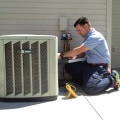
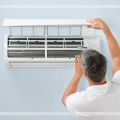
When we think of air conditioners, the first thing that often comes to mind is their primary function: cooling our living spaces during the sweltering summer months. However, the reality is that these sophisticated machines offer much more than just a respite from the heat. Understanding the intricate components and systems that make up an air conditioner can reveal a hidden value that many homeowners overlook. From energy efficiency to environmental impact, the significance of proper air conditioner installation extends far beyond mere comfort.At the heart of every air conditioning unit lies a complex network of components, each playing a crucial role in its operation.
These include the compressor, evaporator coil, condenser coil, and various refrigerants, all working in harmony to regulate temperature and humidity levels. The materials used in these components—such as copper, aluminum, and even rare metals—contribute not only to the unit's performance but also to its overall value. As we delve deeper into the world of air conditioning, it becomes clear that these systems are engineered for efficiency and longevity, making them a worthwhile investment for any homeowner.Moreover, the importance of professional air conditioner installation cannot be overstated. A well-installed unit ensures optimal performance and longevity, while improper installation can lead to inefficiencies and costly repairs down the line.
Understanding how each component functions and interacts with others can empower homeowners to make informed decisions about their air conditioning systems. This knowledge not only enhances comfort but also promotes sustainability by reducing energy consumption and minimizing environmental impact.As we explore the hidden value of air conditioners further, we will uncover the precious materials within these units and discuss how they contribute to both their functionality and worth. By recognizing the multifaceted role of air conditioners in our lives, we can appreciate them not just as cooling devices but as essential components of modern living that deserve careful consideration during installation and maintenance.
Key Components of Air Conditioners
Understanding the key components of air conditioners is essential for anyone looking to appreciate their value beyond mere cooling capabilities. Each part plays a critical role in the overall functionality and efficiency of the system.Here, we will explore the main components that make up an air conditioning unit, highlighting their functions and significance.
- Compressor: Often referred to as the heart of the air conditioning system, the compressor is responsible for circulating refrigerant throughout the system. It compresses low-pressure refrigerant gas into high-pressure gas, which is then sent to the condenser. This process is vital for maintaining the cooling cycle.
- Condenser Coil: Located outside the home, the condenser coil dissipates heat absorbed from inside. As the high-pressure gas from the compressor passes through this coil, it releases heat to the outside air and transforms back into a liquid state.
The efficiency of this component directly impacts energy consumption.
- Evaporator Coil: Found inside the home, the evaporator coil absorbs heat from indoor air. As warm air passes over this coil, refrigerant inside evaporates, cooling the air before it is circulated back into living spaces. This component is crucial for effective temperature regulation.
- Expansion Valve: This small but significant part controls the flow of refrigerant into the evaporator coil. By reducing pressure, it allows refrigerant to expand and cool before entering the evaporator, ensuring optimal performance and efficiency.
- Air Handler: The air handler is responsible for moving air through the ductwork of your home.
It contains a blower fan that circulates cooled air throughout your living spaces and helps maintain consistent temperatures.
- Thermostat: The thermostat acts as the control center for your air conditioning system. It monitors indoor temperatures and signals the system to turn on or off based on your desired settings. A programmable or smart thermostat can enhance energy efficiency by adjusting temperatures according to your schedule.
The Role of Refrigerants in Air Conditioning Systems
Refrigerants play a crucial role in the operation of air conditioning systems, acting as the lifeblood that enables these units to cool indoor spaces effectively.Understanding the types of refrigerants, their functions, and their environmental impact is essential for anyone considering air conditioner installation or maintenance.
Types of Refrigerants
There are several types of refrigerants used in air conditioning systems, each with its unique properties and applications. The most common categories include:- Chlorofluorocarbons (CFCs): Once widely used, CFCs have been largely phased out due to their harmful effects on the ozone layer. They are now banned in many countries.
- Hydrochlorofluorocarbons (HCFCs): These are transitional substitutes for CFCs and have a lower ozone depletion potential. However, they are still being phased out due to their environmental impact.
- Hydrofluorocarbons (HFCs): HFCs do not deplete the ozone layer but are potent greenhouse gases.
Their use is being regulated under international agreements like the Kigali Amendment.
- Natural Refrigerants: These include substances like ammonia, carbon dioxide, and hydrocarbons. They are gaining popularity due to their low environmental impact and efficiency.
The Function of Refrigerants
The primary function of refrigerants in air conditioning systems is to absorb heat from the indoor air and release it outside. This process occurs through a cycle of evaporation and condensation:- Evaporation: The refrigerant absorbs heat from the indoor air as it evaporates in the evaporator coil, cooling the air that is circulated back into the room.
- Compression: The gaseous refrigerant is then compressed by the compressor, raising its temperature and pressure.
- Condensation: The hot gas moves to the condenser coil, where it releases heat to the outside air and condenses back into a liquid.
- Expansion: Finally, the refrigerant passes through an expansion valve, reducing its pressure and temperature before returning to the evaporator coil to repeat the cycle.
The Value of Refrigerants
The value of refrigerants extends beyond their cooling capabilities. As regulations tighten around greenhouse gas emissions, certain refrigerants have become increasingly valuable commodities.For instance, HFCs can be expensive due to their limited availability and regulatory constraints. Additionally, natural refrigerants are often seen as a sustainable alternative that can enhance energy efficiency while minimizing environmental impact.In conclusion, understanding the role of refrigerants in air conditioning systems is vital for making informed decisions about air conditioner installation. By choosing systems that utilize environmentally friendly refrigerants, homeowners can contribute to sustainability while enjoying efficient cooling solutions.
Metals and Materials: The Hidden Treasures Inside Your AC Unit
When we think about air conditioners, our minds often jump to their primary function: cooling our living spaces. However, these machines are also composed of a variety of metals and materials that hold significant value, both in terms of their utility and their potential for recycling.Understanding what lies within your air conditioning unit can not only enhance your appreciation for this technology but also inform you about how to responsibly dispose of or recycle it.
Valuable Metals Found in Air Conditioners
- Copper: One of the most valuable metals in an air conditioner is copper. It is used extensively in the wiring and coils due to its excellent conductivity. The price of copper fluctuates, but it consistently remains a sought-after material in recycling markets.
- Aluminum: Another common metal found in air conditioning units is aluminum. It is primarily used in the fins and casing.
Aluminum is lightweight, resistant to corrosion, and highly recyclable, making it a valuable component.
- Steel: The frame and some internal components of air conditioners are made from steel. While not as valuable as copper or aluminum, steel is still recyclable and contributes to the overall worth of the unit.
- Rare Earth Elements: Some advanced air conditioning systems may contain rare earth elements like neodymium, which are used in high-efficiency motors and compressors. These elements are increasingly valuable due to their limited availability and high demand in various technologies.
The Importance of Recycling Air Conditioners
Recycling air conditioners not only helps recover these valuable metals but also reduces environmental impact. When disposed of improperly, air conditioning units can release harmful refrigerants into the atmosphere, contributing to ozone depletion and climate change.
By recycling, you ensure that these materials are processed correctly and reused in new products.
How to Recycle Your Air Conditioner
- Contact Local Recycling Centers: Many local recycling facilities accept air conditioning units. They often have specific guidelines on how to prepare your unit for recycling.
- Check for Take-Back Programs: Some manufacturers offer take-back programs where they will recycle old units when you purchase a new one.
- Hire a Professional Service: If you're unsure about how to dispose of your air conditioner safely, consider hiring a professional service that specializes in appliance recycling.
The Importance of Professional Air Conditioner Installation
When it comes to air conditioner installation, the importance of hiring a professional cannot be overstated. While some homeowners may consider a DIY approach to save money, the reality is that expert installation is crucial for ensuring optimal performance and longevity of the unit.A poorly installed air conditioner can lead to a myriad of issues, including inefficient cooling, increased energy bills, and even premature system failure.One of the primary benefits of professional installation is the assurance that the unit is set up according to manufacturer specifications. Professionals are trained to understand the intricacies of different models and can ensure that all components are correctly aligned and functioning. This not only maximizes efficiency but also helps in maintaining the warranty provided by the manufacturer.Moreover, experienced installers can assess your home’s specific needs, taking into account factors such as size, insulation, and layout. This tailored approach ensures that you select the right unit for your space, which is essential for achieving optimal cooling performance.
A professional will also consider the placement of the air conditioner to avoid common pitfalls such as poor airflow or excessive noise.
What to Look for in an Installer
- Licensing and Insurance: Always verify that your installer is licensed and insured. This protects you from liability in case of accidents during installation.
- Experience: Look for installers with a proven track record in air conditioner installation. Experience often translates to better service and fewer mistakes.
- Customer Reviews: Check online reviews and testimonials to gauge customer satisfaction. A reputable installer will have positive feedback from previous clients.
- Warranty on Work: Ensure that the installer offers a warranty on their work.
This provides peace of mind that any issues arising from installation will be addressed without additional costs.
Avoiding Common Mistakes
Even with professional help, there are common mistakes that can occur during installation. Here are a few to watch out for:- Improper Sizing: Installing an air conditioner that is too small or too large for your space can lead to inefficiency and discomfort.
- Poor Ductwork: Neglecting ductwork quality can result in significant energy loss and reduced airflow.
- Ignoring Local Codes: Failing to adhere to local building codes can lead to fines or complications when selling your home.
Common Installation Mistakes and How to Avoid Them
Installing an air conditioner is a significant investment, and ensuring it is done correctly is crucial for optimal performance and longevity. Unfortunately, many homeowners make common mistakes during the air conditioner installation process that can lead to inefficiencies, increased energy costs, and even premature system failure.Here are some frequent errors and how to avoid them:
- Improper Sizing: One of the most critical aspects of air conditioner installation is selecting the right size unit for your space. An undersized unit will struggle to cool your home, while an oversized one will cycle on and off too frequently, leading to wear and tear. To avoid this mistake, consult with a professional who can perform a load calculation based on your home’s square footage, insulation levels, and other factors.
- Neglecting Ductwork: If your air conditioning system relies on ductwork, it’s essential to ensure that it is properly sealed and insulated. Leaky ducts can lead to significant energy loss and reduced efficiency.
Before installation, inspect your ducts for any gaps or damage and seal them with appropriate materials.
- Incorrect Placement: The location of your outdoor unit can greatly affect its performance. Installing it in a shaded area can enhance efficiency, while placing it too close to walls or other obstructions can restrict airflow. Ensure that the unit has ample space around it for proper ventilation.
- Ignoring Electrical Requirements: Air conditioners require specific electrical setups to function safely and efficiently. Failing to adhere to these requirements can lead to electrical issues or even fire hazards.
Always consult with a licensed electrician to ensure that your home’s electrical system can support the new unit.
- Skipping Professional Help: While DIY projects can be rewarding, installing an air conditioner is not one of them unless you have extensive experience. Mistakes made during installation can be costly in the long run. Hiring a qualified HVAC technician ensures that the job is done correctly and safely.
Maintaining Your Air Conditioner: Ensuring Longevity and Efficiency
To ensure that your air conditioner operates at peak performance and lasts for many years, regular maintenance is essential.Neglecting this aspect can lead to decreased efficiency, higher energy bills, and even costly repairs. Here are some effective air conditioner maintenance tips that can help prolong the life of your unit:
- Regular Filter Changes: One of the simplest yet most impactful maintenance tasks is changing or cleaning the air filters. Clogged filters restrict airflow, making your system work harder and less efficiently. Aim to check your filters monthly and replace them every 1-3 months, depending on usage.
- Clean the Coils: The evaporator and condenser coils can accumulate dirt over time, which impairs their ability to absorb and release heat.
Cleaning these coils at least once a year can significantly enhance your air conditioner's efficiency.
- Inspect the Drain Line: A clogged drain line can cause water damage and increase humidity levels in your home. Regularly check the drain line for blockages and clean it to prevent any issues.
- Check Refrigerant Levels: Low refrigerant levels can indicate a leak, which not only affects cooling efficiency but can also damage the compressor. Have a professional check the refrigerant levels during routine maintenance.
- Schedule Professional Maintenance: While DIY maintenance is important, having a qualified technician perform an annual inspection can catch potential problems before they escalate. They can also provide a thorough cleaning and tune-up of your system.
Not only does it enhance the efficiency of your air conditioner, but it also helps in preserving its value over time. A well-maintained unit is less likely to break down unexpectedly, saving you from inconvenient and costly repairs.In addition to these tips, consider keeping an eye on your air conditioner's performance. If you notice unusual noises, reduced airflow, or inconsistent temperatures, it may be time to investigate further or consult a professional. By being proactive about maintenance, you can enjoy a comfortable indoor environment while maximizing the lifespan of your air conditioning system.
The Environmental Impact of Air Conditioners: A Sustainable Approach
As the demand for air conditioning systems continues to rise, so does the concern for their environmental impact.Traditional air conditioners often rely on refrigerants that can contribute to ozone depletion and global warming. Understanding these impacts is crucial for both consumers and manufacturers as we strive for a more sustainable future.One of the primary environmental concerns associated with air conditioning units is the use of hydrofluorocarbons (HFCs). These substances, while effective in cooling, have a high global warming potential. As a result, many countries are moving towards regulations that phase out HFCs in favor of more eco-friendly alternatives.
This shift not only helps reduce greenhouse gas emissions but also encourages innovation in the HVAC industry.To address these challenges, several sustainable cooling solutions have emerged:
- Natural Refrigerants: Options such as ammonia, carbon dioxide, and hydrocarbons are gaining popularity due to their low environmental impact. These natural refrigerants have minimal global warming potential and do not deplete the ozone layer.
- Energy Efficiency: Modern air conditioning systems are designed to be more energy-efficient, utilizing advanced technologies such as variable speed compressors and smart thermostats. By consuming less energy, these units not only lower utility bills but also reduce the overall carbon footprint.
- Solar-Powered AC Units: Integrating solar energy into air conditioning systems can significantly decrease reliance on fossil fuels. Solar-powered units harness renewable energy, making them an excellent choice for environmentally conscious consumers.
- Regular Maintenance: Ensuring that your air conditioning system is well-maintained can enhance its efficiency and lifespan.
Regular checks can prevent refrigerant leaks and ensure optimal performance, thereby minimizing environmental impact.
- Passive Cooling Techniques: Utilizing architectural designs that promote natural ventilation and shading can reduce the need for mechanical cooling.
- Smart Home Integration: Implementing smart home technology allows homeowners to optimize their cooling systems based on real-time data, reducing unnecessary energy consumption.
- Awareness and Education: Educating consumers about the environmental impacts of their choices can lead to more informed decisions regarding air conditioner installation and usage.
FAQs About Air Conditioner Installation and Components
When it comes to air conditioner installation, many homeowners have questions that can help them better understand the process and the components involved. Here are some frequently asked questions that address common concerns and provide valuable insights.What are the essential components of an air conditioner?
An air conditioning unit consists of several key components that work together to provide cooling.These include:
- Compressor: Often referred to as the heart of the AC system, the compressor circulates refrigerant through the system.
- Condenser Coil: This component releases heat from the refrigerant, allowing it to cool down before returning to the evaporator coil.
- Evaporator Coil: Located inside your home, this coil absorbs heat from the indoor air, cooling it before it is circulated back into your living space.
- Expansion Valve: This valve regulates the flow of refrigerant into the evaporator coil, ensuring optimal cooling efficiency.
- Air Handler: This component is responsible for moving air through the system and distributing it throughout your home.
How long does air conditioner installation typically take?
The duration of an air conditioner installation can vary based on several factors, including the type of system being installed and the complexity of the installation. On average, a standard installation can take anywhere from 4 to 8 hours. However, more complex systems or additional ductwork may extend this time frame.What should I do if my air conditioner is not cooling properly?
If you notice that your air conditioner is not providing adequate cooling, consider these troubleshooting steps:- Check the thermostat: Ensure that it is set to a temperature lower than the current room temperature.
- Inspect air filters: Dirty or clogged filters can restrict airflow and reduce efficiency. Replace or clean them regularly.
- Examine outdoor unit: Make sure there are no obstructions around the condenser unit that could impede airflow.
- Look for refrigerant leaks: If you suspect a refrigerant leak, contact a professional technician immediately, as handling refrigerants requires specialized knowledge.
How can I maintain my air conditioning system?
Regular maintenance is crucial for ensuring your air conditioning system operates efficiently and lasts longer.Here are some maintenance tips:
- Schedule annual professional inspections: A technician can identify potential issues before they become major problems.
- Cleansing coils and fins: Keep both indoor and outdoor coils clean to maximize efficiency.
- Check ductwork for leaks: Sealing any leaks in your ductwork can improve airflow and reduce energy costs.
Conclusion: Recognizing the True Value of Your Air Conditioner
In conclusion, recognizing the true value of your air conditioner extends far beyond its primary function of cooling your living space. As we have explored, these units are intricate systems composed of various components, each playing a crucial role in their overall efficiency and effectiveness. Understanding the significance of these parts not only enhances your appreciation for the technology but also informs better maintenance and care practices.One of the key takeaways is the importance of air conditioner installation. Proper installation is foundational to ensuring that your unit operates at peak performance.A well-installed air conditioner can lead to improved energy efficiency, reduced utility bills, and a longer lifespan for the unit. Conversely, improper installation can result in a host of issues, including frequent breakdowns and increased energy consumption.Moreover, the hidden components within your air conditioning system—such as copper coils, aluminum fins, and various electronic parts—hold significant value. These materials not only contribute to the functionality of the unit but can also be recycled or repurposed when it comes time to replace or dispose of your air conditioner. This aspect highlights the environmental responsibility that comes with ownership.Additionally, understanding how to care for your air conditioning system can lead to substantial savings over time.
Regular maintenance, such as changing filters and scheduling professional inspections, can prevent costly repairs and ensure that your unit runs efficiently. By investing time in learning about these practices, you can extend the life of your air conditioner and maximize its value.Ultimately, recognizing the multifaceted value of your air conditioner encourages a more informed approach to ownership. Whether it’s through proper installation, regular maintenance, or understanding the worth of its components, taking these steps will not only enhance your comfort but also contribute positively to your financial and environmental footprint.