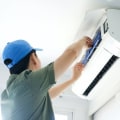
When it comes to ensuring a comfortable living environment, the importance of proper air conditioner installation cannot be overstated. Many homeowners underestimate the impact that a well-executed installation has on the overall performance and longevity of their AC units. A significant number of AC unit problems can be traced back to improper installation practices, which can lead to inefficiencies, increased energy costs, and even complete system failures.Understanding the nuances of HVAC installation is crucial for anyone looking to invest in a new air conditioning system. From selecting the right size unit for your space to ensuring that all components are correctly connected, each step in the installation process plays a vital role in the system's functionality.
For instance, an oversized unit may cool your home too quickly without adequately removing humidity, while an undersized unit will struggle to maintain comfortable temperatures, leading to excessive wear and tear.Moreover, the placement of the outdoor condenser and indoor evaporator coils can significantly affect airflow and efficiency. If these components are not positioned correctly, it can result in poor performance and increased strain on the system. This is why engaging a qualified professional for your air conditioner installation is essential; they possess the expertise to navigate these complexities and ensure that your system operates at peak efficiency.In this article, we will delve deeper into the common pitfalls associated with air conditioner installation and how they can lead to ongoing issues with your AC unit. By understanding these hidden culprits, you can make informed decisions that not only enhance your comfort but also protect your investment in home cooling.
Common Problems Caused by Poor Installation
When it comes to air conditioner installation, the quality of the setup can significantly impact the unit's performance and longevity.Unfortunately, many homeowners overlook the importance of professional installation, leading to a range of common problems that can arise from poor practices.One of the most prevalent issues is refrigerant leaks. If an air conditioning system is not installed correctly, the refrigerant lines may not be sealed properly. This can lead to a gradual loss of refrigerant, which not only reduces the system's efficiency but can also cause serious damage to the compressor over time. A low refrigerant level can result in inadequate cooling and increased energy bills, as the unit struggles to maintain the desired temperature.Another common problem associated with improper installation is airflow issues.
If ductwork is poorly designed or improperly sealed, it can restrict airflow throughout your home. This can lead to uneven cooling, where some rooms feel frigid while others remain uncomfortably warm. Additionally, restricted airflow can cause the system to work harder than necessary, leading to increased wear and tear on components and ultimately shortening the lifespan of your air conditioner.
Electrical failures
are also a significant concern when it comes to AC installation. Incorrect wiring or inadequate electrical connections can lead to short circuits or even complete system failures.
These issues not only pose a risk of costly repairs but can also create safety hazards, including fire risks. Ensuring that your air conditioning unit is installed by a qualified technician who understands electrical systems is crucial for preventing these dangerous situations.Moreover, improper sizing of the air conditioning unit can lead to a host of problems. An oversized unit may cool your home too quickly without adequately dehumidifying the air, while an undersized unit will struggle to maintain comfortable temperatures. Both scenarios can lead to increased energy consumption and higher utility bills.In conclusion, investing in professional air conditioner installation is essential for avoiding these common problems.
By ensuring that your system is installed correctly, you can enhance its efficiency, prolong its lifespan, and maintain a comfortable living environment in your home.
The Role of Refrigerant in AC Performance
Understanding the role of refrigerant in an air conditioning system is crucial for maintaining optimal performance and efficiency. Refrigerant is the lifeblood of your AC unit, responsible for absorbing heat from the indoor air and releasing it outside, thereby cooling your living space. This process occurs in a closed loop, where the refrigerant circulates through various components, including the evaporator coil, compressor, and condenser.One of the most significant issues that can arise with refrigerant is leaks. A refrigerant leak not only diminishes the cooling capacity of your air conditioner but can also lead to increased energy consumption as the system works harder to maintain the desired temperature.Common signs of a refrigerant leak include:
- Increased energy bills
- Warm air blowing from vents
- Ice buildup on the evaporator coil
- Hissing or bubbling sounds near the AC unit
During these checks, technicians will inspect for leaks, verify refrigerant levels, and ensure that all components are functioning correctly.In summary, refrigerant plays a vital role in the performance of your air conditioning system. Understanding its function and recognizing signs of potential problems can help you take proactive measures to maintain your unit's efficiency and longevity. Proper installation and regular maintenance are key factors in preventing refrigerant-related issues that could compromise your comfort and increase operational costs.
Airflow and Ductwork: Key Factors in AC Efficiency
When it comes to the efficiency of your air conditioning system, airflow and ductwork play crucial roles that are often overlooked. Proper airflow is essential for maintaining a comfortable indoor environment, while well-designed ductwork ensures that the cool air produced by your AC unit reaches every corner of your home effectively.One of the most common issues related to airflow is blockages.Dust, debris, and even pet hair can accumulate in the ducts over time, restricting airflow and forcing your AC unit to work harder than necessary. This not only leads to increased energy consumption but can also shorten the lifespan of your system. Regular maintenance, including duct cleaning, is vital to prevent these blockages and ensure optimal performance.Another significant factor is the design of the ductwork. Poorly designed ducts can create pressure imbalances that result in uneven cooling throughout your home.
For instance, if the ducts are too small or too long, they may not be able to deliver sufficient airflow to certain areas, leaving some rooms uncomfortably warm while others are too cold. This imbalance can lead to higher energy bills as your AC struggles to maintain a consistent temperature.Additionally, leaky ducts can severely impact efficiency. If there are gaps or holes in the ductwork, conditioned air can escape before it reaches its intended destination. According to the U.
S. Department of Energy, leaky ducts can waste up to 30% of the energy used for heating and cooling. Sealing these leaks is a cost-effective way to improve your system's efficiency and reduce energy costs.To maximize your air conditioner's performance, consider consulting with a professional for a thorough evaluation of your ductwork and airflow. They can identify any existing issues and recommend solutions tailored to your specific needs.
Investing in proper air conditioner installation that includes high-quality ductwork design will not only enhance comfort but also lead to significant savings on energy bills in the long run.In summary, ensuring proper airflow and addressing any ductwork problems are essential steps in maintaining an efficient air conditioning system. By prioritizing these factors during installation and regular maintenance, homeowners can enjoy a cooler home while minimizing energy costs.
Electrical Connections: Ensuring Safety and Functionality
When it comes to air conditioner installation, the importance of proper electrical connections cannot be overstated. Electrical issues are among the leading causes of AC unit failures, and they can pose serious safety hazards if not addressed correctly. Understanding the common pitfalls in electrical connections can help homeowners avoid costly repairs and ensure their systems operate efficiently.Common Electrical Mistakes in AC Installation
- Improper Wiring: One of the most frequent mistakes is incorrect wiring.
This can lead to short circuits, which not only damage the AC unit but can also create fire hazards. It’s crucial to follow the manufacturer’s wiring diagrams and local electrical codes during installation.
- Inadequate Power Supply: Air conditioners require a specific voltage to function properly. If the power supply is insufficient, it can cause the unit to underperform or fail entirely. Always ensure that the electrical circuit can handle the load required by your AC system.
- Neglecting Grounding: Grounding is essential for safety.
A lack of proper grounding can lead to electrical shocks or equipment damage. Ensure that all components are grounded according to local regulations.
- Loose Connections: Loose electrical connections can lead to arcing, which generates heat and can cause components to fail. Regularly check connections during maintenance to ensure they are secure.
Safety Considerations in HVAC Electrical Work
Safety should always be a priority when dealing with electrical components in HVAC systems. Here are some key safety tips:
- Turn Off Power: Before starting any installation or maintenance work, always turn off the power at the circuit breaker to prevent accidental shocks.
- Use Proper Tools: Utilize insulated tools designed for electrical work to minimize risks while handling wires and connections.
- Consult Professionals: If you’re unsure about any aspect of the electrical installation, it’s wise to consult a licensed electrician or HVAC professional.
They have the expertise to ensure everything is installed safely and correctly.
The Importance of Proper Sizing for Your AC Unit
When it comes to air conditioner installation, one of the most critical factors to consider is the size of the unit. Proper sizing ensures that your air conditioning system operates efficiently, providing optimal comfort while minimizing energy costs. An incorrectly sized unit can lead to a host of problems, both for your comfort and your wallet.Understanding AC Unit Sizing
AC units are measured in British Thermal Units (BTUs), which indicate the amount of heat the unit can remove from a space in one hour.To determine the appropriate size for your air conditioning unit, several factors must be taken into account:
- Room Size: The square footage of the area you wish to cool is the primary factor in determining the BTU requirement.
- Ceiling Height: Higher ceilings may require additional cooling capacity.
- Insulation Quality: Well-insulated spaces retain cool air better, potentially allowing for a smaller unit.
- Sun Exposure: Rooms with large windows or those that receive direct sunlight may need more cooling power.
- Occupancy: More people generate more heat, which can influence sizing decisions.
The Consequences of Oversized AC Units
While it might seem beneficial to choose a larger unit for quicker cooling, oversized AC units can create significant issues:- Increased Energy Costs: Larger units cycle on and off more frequently, leading to higher energy consumption.
- Humidity Problems: Oversized units cool the air too quickly without adequately removing humidity, resulting in a clammy indoor environment.
- Short Cycling: This occurs when the unit turns on and off rapidly, which can lead to wear and tear on components and reduce the lifespan of the system.
The Issues with Undersized AC Units
On the other hand, opting for an undersized air conditioning unit can be equally problematic:- Inadequate Cooling: An undersized unit will struggle to maintain comfortable temperatures, especially during peak heat periods.
- Increased Wear and Tear: Constantly running to meet demand can lead to premature failure of components.
- Higher Energy Bills: An undersized system works harder than necessary, leading to increased energy consumption and costs.
Regular Maintenance: Preventing Future Problems
Regular maintenance of your air conditioning system is crucial for ensuring its longevity and efficiency. Neglecting this aspect can lead to a host of problems, many of which stem from poor installation practices. By implementing a consistent maintenance routine, you can significantly reduce the likelihood of unexpected breakdowns and costly repairs.1.Schedule Annual Professional Inspections
- Engaging a qualified HVAC technician for an annual inspection is essential.
They can identify potential issues before they escalate, ensuring your system operates at peak performance.
- During these inspections, the technician will check refrigerant levels, inspect electrical components, and clean essential parts like the evaporator and condenser coils.
2.Change or Clean Filters Regularly
- Air filters play a vital role in maintaining air quality and system efficiency. Clogged filters restrict airflow, forcing your AC unit to work harder.
- It’s advisable to check filters monthly and replace or clean them every 1-3 months, depending on usage and environmental factors such as pet hair or dust.
3.Keep the Outdoor Unit Clear
- The outdoor condenser unit should be free from debris such as leaves, dirt, and grass clippings. A clear space allows for proper airflow and cooling efficiency.
- A minimum clearance of two feet around the unit is recommended to ensure optimal performance.
4.Monitor Thermostat Settings
- Ensure that your thermostat is functioning correctly and is set to an appropriate temperature. A malfunctioning thermostat can lead to inefficient cooling and increased energy bills.
- Consider upgrading to a programmable thermostat for better control over your home’s temperature settings.
5.Seal Ductwork
- Leaky ducts can significantly reduce the efficiency of your air conditioning system.
Inspect ductwork for any signs of wear or damage and seal any leaks with appropriate materials.
- Properly sealed ducts ensure that cool air reaches its intended destination without unnecessary loss.
6.Clean the Drain Line
- The condensate drain line can become clogged with algae or debris, leading to water damage and increased humidity levels in your home.
- Regularly flushing the drain line with a mixture of vinegar and water can help prevent clogs and maintain proper drainage.
FAQs About Air Conditioner Installation Issues
When it comes to air conditioner installation, homeowners often have a myriad of questions. Understanding these common queries can help demystify the installation process and address potential issues that may arise.What are the signs that my air conditioner was installed incorrectly?
Several indicators can suggest improper installation of your air conditioning unit:- Inconsistent Cooling: If certain rooms are significantly warmer or cooler than others, it may indicate that the system is not balanced correctly.
- High Energy Bills: An improperly installed unit may work harder than necessary, leading to increased energy consumption and higher utility bills.
- Frequent Breakdowns: If your AC unit requires frequent repairs shortly after installation, it could be a sign of poor installation practices.
How can I troubleshoot common AC problems after installation?
If you encounter issues with your newly installed air conditioner, consider the following troubleshooting steps:- Check the Thermostat: Ensure that the thermostat is set to the desired temperature and is functioning correctly.
- Inspect Air Filters: Clogged or dirty filters can restrict airflow, leading to inefficient cooling. Regularly check and replace filters as needed.
- Examine Ductwork: Leaks or blockages in ductwork can prevent cool air from reaching certain areas.
Inspect ducts for any visible issues.
What should I do if my AC unit is not cooling properly?
If your air conditioner fails to cool effectively, follow these steps:- Verify Power Supply: Ensure that the unit is receiving power and that circuit breakers are not tripped.
- Look for Ice Buildup: Ice on the evaporator coil can hinder performance. If you notice ice, turn off the unit and allow it to thaw before restarting.
- Contact a Professional: If basic troubleshooting does not resolve the issue, it may be time to consult an HVAC technician for a thorough inspection.
Conclusion: Ensuring a Smooth Air Conditioner Installation Experience
In conclusion, the process of air conditioner installation is not merely a task to be checked off a list; it is a critical step that can significantly influence the performance and longevity of your cooling system. Throughout this article, we have explored various aspects that contribute to the successful installation of an air conditioning unit, emphasizing the importance of professional expertise.One of the key takeaways is that improper installation can lead to a myriad of issues, including inefficient cooling, increased energy bills, and even premature system failure. These problems often stem from inadequate sizing, incorrect placement, and poor sealing of ducts.Therefore, it is essential to engage qualified technicians who understand the intricacies of air conditioner installation and can ensure that every component is correctly set up.Moreover, we discussed how regular maintenance and timely repairs are vital in prolonging the life of your air conditioning system. A well-installed unit not only operates more efficiently but also requires less frequent servicing. This translates to lower costs over time and a more comfortable living environment.Additionally, understanding the specific needs of your home—such as its size, layout, and insulation—can greatly impact the effectiveness of your air conditioning system. A professional installer will take these factors into account, ensuring that your unit is tailored to meet your unique requirements.In summary, investing in professional air conditioner installation is crucial for avoiding future complications.
By prioritizing quality installation services, you can enjoy a reliable and efficient cooling system that enhances your comfort while minimizing operational costs. Remember, a well-installed air conditioning unit is not just an appliance; it’s an investment in your home’s comfort and energy efficiency.