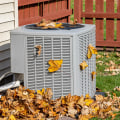
Understanding the various components of an air conditioning unit is crucial for homeowners and business operators alike. Each part plays a significant role in ensuring that the system operates efficiently and effectively. When you grasp how these components work together, you can better appreciate the importance of regular maintenance and timely repairs. This knowledge not only helps in identifying potential issues before they escalate but also empowers you to make informed decisions regarding air conditioner installation and upkeep.Air conditioning systems are intricate machines composed of several key parts, including compressors, evaporator coils, condenser coils, fans, and filters.
Each component has a specific function that contributes to the overall performance of the unit. For instance, the compressor acts as the heart of the system, circulating refrigerant throughout the system to facilitate heat exchange. Meanwhile, the evaporator coil cools the air that circulates through your home, while the condenser coil releases heat outside. Understanding these roles can help you recognize when something is amiss.Common issues often arise from wear and tear on these components, leading to decreased efficiency or complete system failure.
For example, a dirty air filter can restrict airflow, causing the system to work harder and potentially leading to overheating. Similarly, a malfunctioning compressor can result in inadequate cooling or increased energy bills. By familiarizing yourself with these common problems and their causes, you can take proactive steps to maintain your air conditioning system.Regular maintenance is essential for prolonging the lifespan of your air conditioning unit and ensuring optimal performance. Simple tasks such as changing filters, cleaning coils, and checking refrigerant levels can make a significant difference in how well your system operates.
In this article, we will delve deeper into each component's function, explore common failures associated with them, and provide practical maintenance tips to keep your air conditioning unit running smoothly.
The Role of the Compressor in Air Conditioning Systems
The compressor is often referred to as the heart of an air conditioning system, playing a pivotal role in the cooling process. Its primary function is to circulate refrigerant throughout the system, facilitating the heat exchange that cools the air in your home. Understanding how the compressor operates and recognizing the signs of potential failure can help homeowners maintain their air conditioning units effectively.Common Issues with Compressors
- Compressor Overheating: One of the most frequent issues is overheating, which can occur due to insufficient lubrication, dirty coils, or a malfunctioning fan. When a compressor overheats, it can lead to complete failure.
- Electrical Failures: The compressor relies on electrical components to function.
Issues such as faulty wiring or a malfunctioning capacitor can prevent the compressor from starting or cause it to shut down unexpectedly.
- Refrigerant Leaks: A drop in refrigerant levels can indicate a leak, which not only affects cooling efficiency but can also damage the compressor if not addressed promptly.
Signs of a Failing Compressor
- Unusual Noises: If you hear clanking, buzzing, or grinding sounds coming from your AC unit, it may signal that the compressor is struggling.
- Inconsistent Cooling: If certain areas of your home are warmer than others or if the unit fails to cool effectively, this could indicate compressor issues.
- Increased Energy Bills: A sudden spike in energy costs may suggest that your compressor is working harder than it should due to inefficiencies.
Maintenance Practices for Prolonging Compressor Life
Regular maintenance is essential for ensuring the longevity and efficiency of your air conditioner's compressor. Here are some key practices:
- Routine Inspections: Schedule professional inspections at least once a year to check for any signs of wear and tear.
- Cleansing Coils: Keep both the evaporator and condenser coils clean to enhance heat exchange efficiency and reduce strain on the compressor.
- Monitor Refrigerant Levels: Ensure that refrigerant levels are adequate and check for leaks regularly to prevent compressor damage.
Understanding Condenser Coils and Their Maintenance
The condenser coils play a crucial role in the operation of an air conditioning unit. Located in the outdoor unit, these coils are responsible for releasing heat absorbed from your home into the outside air. As the refrigerant circulates through the system, it enters the condenser coils as a gas and exits as a liquid after releasing its heat.This process is essential for maintaining a comfortable indoor environment.However, condenser coils can encounter several problems that may hinder their performance. One common issue is the accumulation of dirt and debris on the coils. When dust, leaves, and other particles build up, they create an insulating layer that prevents efficient heat transfer. This can lead to overheating and increased energy consumption, as the system works harder to cool your home.
Signs of Condenser Coil Problems
- Reduced Cooling Efficiency: If you notice that your air conditioner is struggling to maintain the desired temperature, it may be due to dirty condenser coils.
- Increased Energy Bills: A spike in your energy costs can indicate that your system is working overtime due to inefficient heat exchange.
- Overheating Components: If the outdoor unit feels excessively hot to the touch, it may signal that the condenser coils are not functioning properly.
Here are some best practices for keeping them in optimal condition:
Cleaning Condenser Coils
- Turn Off Power: Before cleaning, ensure that the power to the air conditioning unit is turned off to avoid any electrical hazards.
- Remove Debris: Clear away any leaves, dirt, or obstructions around the outdoor unit to allow for proper airflow.
- Use a Soft Brush: Gently brush off any dirt from the coils using a soft brush or cloth. Avoid using harsh chemicals that could damage the fins.
- Rinse with Water: If necessary, use a garden hose to lightly rinse the coils. Be cautious not to bend or damage the fins during this process.
- Inspect for Damage: Regularly check for any signs of corrosion or physical damage to the coils and address any issues promptly.
The Importance of Fans in Air Conditioning Systems
Fans play a crucial role in the operation of air conditioning systems, ensuring that cool air is effectively circulated throughout your home.There are typically two main types of fans in an AC unit: the evaporator fan and the condenser fan. Each serves a distinct purpose, and understanding their functions can help you identify potential issues.The evaporator fan , located inside the air handler, is responsible for blowing air over the evaporator coils. This process cools the air before it is distributed through the ductwork into your living spaces. If this fan malfunctions, you may notice that your home is not cooling down as expected, leading to discomfort during hot weather.On the other hand, the condenser fan is situated outside and helps dissipate heat from the refrigerant as it passes through the condenser coils.
A faulty condenser fan can lead to overheating of the system, which may cause further damage to other components if not addressed promptly.
Common AC Fan Issues
- Noisy Operation: Unusual sounds such as grinding or squealing can indicate worn bearings or loose components.
- Inconsistent Airflow: If you notice that some rooms are cooler than others, it may be due to a malfunctioning fan.
- Fan Not Turning On: This could be caused by electrical issues or a blown fuse, preventing the fan from operating altogether.
- Overheating: If the fan is not functioning properly, it can lead to overheating of the compressor and other critical components.
Maintenance Tips for AC Fans
Regular maintenance is essential for keeping your AC fans in optimal condition. Here are some tips:- Clean the Fans: Dust and debris can accumulate on fan blades, reducing efficiency. Regularly clean them to ensure proper airflow.
- Check for Obstructions: Ensure that there are no objects blocking airflow around the outdoor unit or inside the air handler.
- Inspect Wiring: Look for any frayed or damaged wires that could affect fan operation.
- Scheduling Professional Maintenance: Consider having a qualified HVAC technician perform routine inspections to catch potential issues before they escalate.
Evaporator Coils: Functionality and Common Failures
The evaporator coils play a crucial role in the air conditioning process, primarily responsible for cooling and dehumidifying the air within your home.Located inside the air handling unit, these coils are filled with refrigerant that absorbs heat from the indoor air, allowing it to cool down before being circulated back into your living spaces. As the refrigerant flows through the coils, it evaporates, transforming from a liquid to a gas, which effectively removes heat and moisture from the air.However, like any component of an air conditioning system, evaporator coils can experience issues that may hinder their performance. Understanding these potential failures is essential for maintaining an efficient cooling system.
Common Issues with Evaporator Coils
- Frost Buildup: One of the most common problems is frost accumulation on the coils. This can occur due to low refrigerant levels, poor airflow, or a malfunctioning blower fan.
When frost forms, it acts as an insulator, preventing the coils from absorbing heat effectively and leading to reduced cooling efficiency.
- Corrosion: Over time, evaporator coils can corrode due to exposure to moisture and contaminants in the air. Corrosion can lead to leaks in the coils, resulting in refrigerant loss and decreased cooling capacity.
- Dirt and Debris: Dust and dirt can accumulate on the surface of the coils, obstructing airflow and reducing their ability to absorb heat. Regular cleaning is essential to maintain optimal performance.
Signs of Evaporator Coil Failure
Recognizing the signs of evaporator coil failure early can save you from costly repairs or replacements. Here are some indicators to watch for:- Inadequate Cooling: If your air conditioner is running but not cooling your home effectively, it may be a sign that the evaporator coils are not functioning properly.
- Increased Energy Bills: A sudden spike in your energy bills could indicate that your system is working harder than usual due to inefficient evaporator coils.
- Frost on Coils: If you notice frost forming on the evaporator coils themselves, it’s a clear sign that something is wrong and needs immediate attention.
Maintaining Evaporator Coils
To ensure your evaporator coils function efficiently and last longer, regular maintenance is key.Here are some tips:
- Regular Cleaning: Schedule routine cleanings to remove dust and debris from the coils. This will help maintain proper airflow and efficiency.
- Check Refrigerant Levels: Ensure that refrigerant levels are adequate; low levels can lead to frost buildup and reduced performance.
- Inspect for Leaks: Regularly check for signs of corrosion or leaks in the coils. Early detection can prevent more significant issues down the line.
Air Filters: The First Line of Defense Against Dust and Debris
Air filters play a crucial role in the overall performance and efficiency of your air conditioning system. They act as the first line of defense against dust, pollen, pet dander, and other airborne particles that can compromise indoor air quality.A clean air filter not only helps maintain a healthy living environment but also ensures that your air conditioning unit operates efficiently.
Importance of Clean Air Filters
When air filters become clogged with dirt and debris, they restrict airflow, forcing your air conditioning system to work harder to circulate air. This increased strain can lead to higher energy bills and may even shorten the lifespan of your unit. Moreover, dirty filters can exacerbate allergies and respiratory issues by circulating contaminated air throughout your home.
Guidelines for Changing Air Filters
- Frequency: It is generally recommended to check your air filters every month, especially during peak usage seasons like summer and winter. Depending on the type of filter you use, you may need to replace it every 1 to 3 months.
- Type of Filter: Different types of filters have varying lifespans.
For instance, disposable fiberglass filters should be changed monthly, while pleated filters can last up to three months. Always refer to the manufacturer's guidelines for specific recommendations.
- Visual Inspection: If you notice that your filter appears dark or clogged with dust, it’s time for a change. A clean filter should be white or light-colored and free from visible debris.
How to Change Air Filters
- Turn Off the System: Before changing the filter, ensure that your air conditioning unit is turned off to prevent any damage or injury.
- Locate the Filter: The air filter is typically found in the return air duct or near the blower compartment. Refer to your unit’s manual if you have trouble locating it.
- Remove the Old Filter: Carefully slide out the old filter, taking note of its orientation so you can install the new one correctly.
- Install the New Filter: Insert the new filter in the same direction as the old one, ensuring it fits snugly in place.
- Turn On the System: Once the new filter is installed, turn your air conditioning unit back on and check for proper airflow.
This simple task not only contributes to a healthier home environment but also helps prolong the life of your air conditioning system.
Drainage Systems: Preventing Water Damage in AC Units
The drainage system in an air conditioning unit plays a crucial role in maintaining its efficiency and preventing water damage. When the air conditioner operates, it removes humidity from the air, which condenses into water. This water needs to be effectively drained away to avoid potential issues such as leaks, mold growth, and structural damage to your home.One of the most common problems associated with AC drainage systems is clogged drain lines. Over time, dirt, dust, and algae can accumulate in the drain line, leading to blockages.When this happens, water can back up into the unit or overflow from the drain pan, causing water damage to ceilings, walls, and floors. To prevent this, regular maintenance is essential.
Signs of Clogged Drain Lines
- Water pooling around the AC unit: If you notice water accumulating near your air conditioner, it may indicate a clogged drain line.
- Increased humidity indoors: A malfunctioning drainage system can lead to higher humidity levels inside your home.
- Unpleasant odors: Stagnant water in the drain pan can produce musty smells that permeate your living space.
- Frequent shut-offs: If your AC unit frequently shuts off due to safety mechanisms triggered by water overflow, it’s a sign that maintenance is needed.
- Regularly inspect the drain pan: Check for cracks or rust that could lead to leaks. If you find any damage, replace the pan promptly.
- Clear the drain line: Use a wet/dry vacuum or a plumber's snake to remove any blockages in the drain line. This should be done at least once a year.
- Install a float switch: A float switch can automatically shut off the AC unit if water levels in the drain pan become too high, preventing overflow.
- Schedule professional maintenance: Having a qualified HVAC technician perform routine checks can help identify and resolve drainage issues before they escalate.
Electrical Components: Ensuring Safe Operation of Your AC Unit
The electrical components of an air conditioning unit are crucial for its operation and efficiency.These components include the compressor, fan motors, capacitors, and various electrical connections that facilitate the flow of electricity throughout the system. Understanding how these parts function and recognizing signs of electrical failure can help homeowners maintain their AC units effectively.
Common Electrical Issues in AC Units
- Compressor Failures: The compressor is often referred to as the heart of the air conditioning system. If it fails, the entire unit may stop working. Common signs of compressor issues include unusual noises, overheating, or a complete lack of cooling.
- Capacitor Problems: Capacitors store electrical energy and help start the compressor and fan motors.
A failing capacitor can lead to difficulty in starting the unit or cause it to run inefficiently. Symptoms may include a humming sound without the unit starting or intermittent operation.
- Wiring Issues: Over time, wiring can become frayed or damaged due to wear and tear or exposure to moisture. This can lead to short circuits or electrical fires if not addressed promptly. Regular inspections can help identify these issues before they escalate.
- Thermostat Malfunctions: The thermostat controls the temperature settings of your AC unit.
If it is malfunctioning, it may not communicate effectively with the system, leading to inconsistent temperatures or failure to turn on.
Checking Electrical Connections
During routine maintenance, it is essential to check all electrical connections for signs of corrosion or wear. Loose connections can lead to arcing, which poses a fire hazard and can damage other components within the system. Homeowners should ensure that:
- All connections are tight and secure.
- There are no visible signs of corrosion on terminals.
- The insulation on wires is intact without any fraying.
Signs of Electrical Failure
Being aware of the signs of electrical failure can save homeowners from costly repairs and ensure safe operation:
- Frequent Tripping of Circuit Breakers: If your AC unit frequently trips circuit breakers, it may indicate an underlying electrical issue that needs immediate attention.
- Unusual Noises: Buzzing, humming, or clicking sounds coming from the unit can signal electrical problems that require professional evaluation.
- Inconsistent Cooling: If certain areas of your home are not cooling properly while others are, this could point to electrical issues affecting the system's performance.
Common Signs Your Air Conditioner Needs Repair or Maintenance
Recognizing the signs that your air conditioner requires repair or maintenance is crucial for ensuring optimal performance and comfort in your home.Ignoring these symptoms can lead to more significant issues and costly repairs down the line. Here are some common indicators that your air conditioning unit may need professional attention:
- Inconsistent Cooling: If you notice that some rooms are cooler than others or that the temperature fluctuates significantly, it may indicate a problem with your air conditioning system. This inconsistency can stem from issues such as blocked ducts, a malfunctioning thermostat, or problems with the compressor.
- Unusual Noises: Air conditioners typically operate quietly. If you hear strange sounds like grinding, squealing, or banging, it could signal a mechanical issue.
These noises often indicate that components are wearing out or that there is a loose part within the unit.
- Increased Energy Bills: A sudden spike in your energy bills without a corresponding increase in usage can be a red flag. An inefficient air conditioning system may struggle to maintain the desired temperature, leading to higher energy consumption.
- Foul Odors: Unpleasant smells emanating from your air conditioner can indicate mold growth or electrical issues. If you detect a musty odor, it may suggest that moisture is trapped within the system, while burning smells could point to electrical problems.
- Water Leaks: Any signs of water pooling around your air conditioning unit should be addressed immediately. This could indicate a clogged drain line or a refrigerant leak, both of which require prompt attention to prevent further damage.
- Short Cycling: If your air conditioner frequently turns on and off without completing a full cooling cycle, it may be short cycling.
This issue can be caused by an oversized unit, a malfunctioning thermostat, or other underlying problems that need to be diagnosed by an HVAC technician.
Conclusion: Keeping Your Air Conditioner Running Smoothly
In conclusion, ensuring that your air conditioning unit operates efficiently and effectively requires a comprehensive understanding of its various components and the potential issues that can arise. Regular maintenance is not just a recommendation; it is essential for prolonging the lifespan of your system and enhancing its performance.Throughout this article, we have highlighted the critical parts of an air conditioning unit, including the compressor , condenser coils , evaporator coils , and fans. Each of these components plays a vital role in the cooling process, and neglecting any one of them can lead to significant problems.For instance, a malfunctioning compressor can severely diminish your unit's ability to cool your home, while dirty or clogged filters can restrict airflow and reduce efficiency.Moreover, we discussed the importance of addressing common issues such as refrigerant leaks and electrical failures. These problems not only affect comfort levels but can also lead to costly repairs if left unattended. By scheduling regular maintenance checks with a qualified HVAC technician, homeowners can identify potential issues before they escalate into major repairs.Additionally, maintaining clean ducts and ensuring proper airflow throughout your home are crucial steps in optimizing your air conditioning system's performance. Remember that up to 30% of cooled air can be lost due to leaks in ductwork, which underscores the importance of regular inspections.Ultimately, investing time and resources into maintaining your air conditioning unit will pay off in the long run.
Not only will it enhance comfort during those hot summer months, but it will also save you money on energy bills and extend the life of your system. By prioritizing maintenance and being proactive about repairs, you can keep your air conditioner running smoothly for years to come.